Read Related Article: Family Gathering Ideas at Home: Creative Ways to Celebrate Together
Get inspired with family gathering ideas at home, from fun activities and themes to simple ways to celebrate together and create lasting memories.
Read More
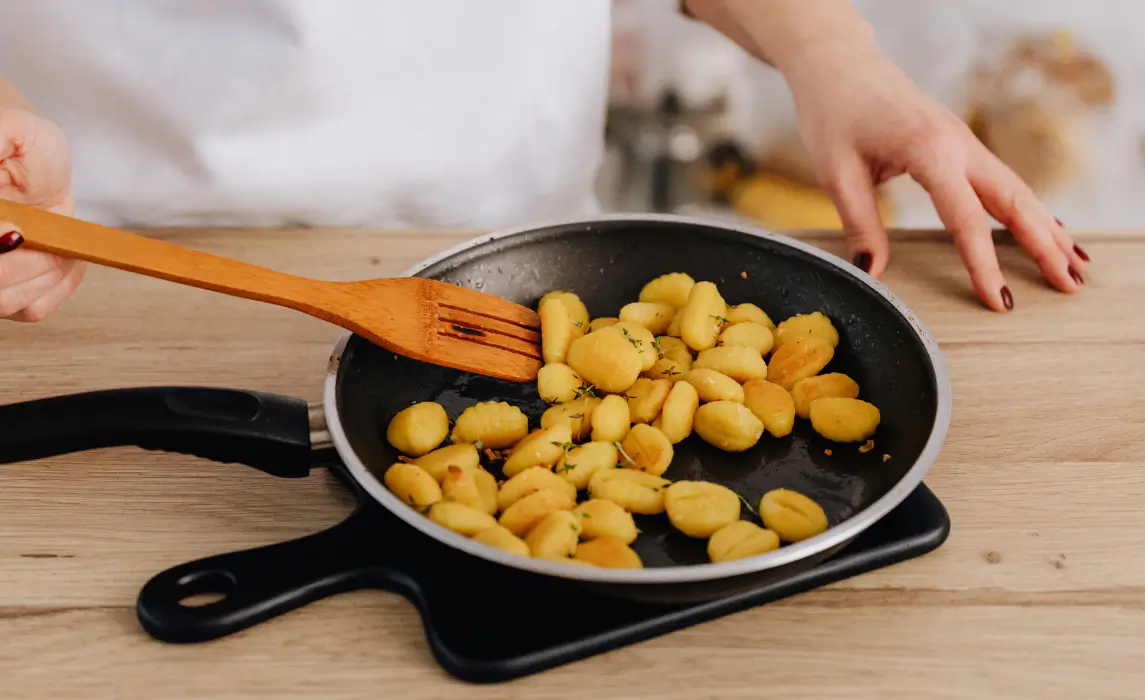

Use high heat, cook ingredients in batches to avoid overcrowding, and keep ingredients moving in the pan for even cooking.
Cook sliced onions slowly over low heat with a bit of oil or butter, stirring occasionally, until deeply browned and sweet.
Use a meat thermometer to check internal temperatures: 145°F for pork, 160°F for ground meats, and 165°F for poultry.
Finding the right pan can transform your cooking from frustrating to effortless. After years of testing cookware and talking to home cooks, I've learned that most kitchen struggles come down to using the wrong pan for the job. Let me walk you through what actually matters when choosing cookware.
The difference between a perfect sear and a soggy mess often comes down to the pan you're using. Each type conducts heat differently, responds to temperature changes at its own pace, and works with specific ingredients and techniques. Understanding these differences will save you money, improve your results, and end the cycle of replacing pans that never worked right in the first place.
What makes them special: Stainless steel pans develop a "fond", those browned bits that become the foundation for restaurant-quality pan sauces. They can handle metal utensils, go from stovetop to oven without hesitation, and maintain their performance for decades.
The reality of cooking with them: Food will stick initially, especially protein. This is normal and actually desirable when searing. Once a proper crust forms, usually after 3-4 minutes for meat, food releases naturally. The key is preheating the pan for 2-3 minutes over medium heat before adding oil. You'll know it's ready when a drop of water forms a ball and rolls around the surface rather than immediately evaporating or breaking apart into smaller droplets.
Best for: Stainless steel excels at searing steaks, browning chicken, deglazing for sauces, and cooking anything where you want to build flavor through caramelization. They handle high-heat cooking between 400-500°F better than almost any other pan type. When you want those gorgeous golden-brown crusts and the ability to make a pan sauce afterward, stainless steel delivers consistently.
Skip them when: Making eggs, cooking delicate fish, or preparing anything with high sugar content that burns easily. They're also not ideal if you're cooking without added fat. The thermal conductivity varies significantly by construction,look for pans with aluminum or copper cores sandwiched between stainless steel layers, as solid stainless steel alone conducts heat poorly and creates hot spots.
Maintenance reality: They'll develop rainbow heat stains and occasional stuck-on food. Bar Keeper's Friend removes both in under a minute. Unlike nonstick pans that wear out, stainless steel actually improves with use as it develops a micro-seasoning layer in the surface texture. Some cooks deliberately avoid harsh cleaners to preserve this natural patina, while others prefer the mirror finish,both approaches work fine.

Get inspired with family gathering ideas at home, from fun activities and themes to simple ways to celebrate together and create lasting memories.
Read MoreWhat makes them special: Cast iron holds heat so effectively that it barely drops temperature when you add cold food. This means better searing, consistent cooking, and the ability to move from stovetop to 500°F oven without concern. The thermal mass also makes it exceptional for maintaining steady frying temperatures when you're cooking in batches.
The seasoning truth: Well-seasoned cast iron rivals nonstick performance for most foods. Seasoning is simply polymerized oil,a natural coating that builds with use. Despite popular belief, you can use soap on seasoned cast iron; what damages seasoning is soaking or aggressive scrubbing while the pan is still hot. The myth about avoiding soap dates back to when dish soaps contained lye, which genuinely did strip seasoning, but modern dish soaps are perfectly safe.
Best for: Searing steaks, making cornbread, roasting vegetables, baking cobblers, cooking bacon, and achieving crispy-skinned fish. The heat retention makes cast iron perfect for dishes that start on the stovetop and finish in the oven. It's also ideal for campfire cooking since it can withstand direct flame contact indefinitely.
Skip them when: Cooking acidic foods for extended periods, like tomato sauce simmering for hours, can impart a metallic taste and degrade your seasoning. They're also not suitable for delicate sauces that need precise temperature control, or when you need to rapidly adjust cooking temperature. The slow heat response means you can't quickly drop from high to low heat like you can with thinner pans.
Weight consideration: A 12-inch cast iron skillet weighs 8-10 pounds. If mobility or strength is a concern, consider smaller sizes or carbon steel alternatives. The weight becomes particularly noticeable when you need to lift a full pan to pour or transfer contents. Some newer cast iron designs reduce weight slightly through careful engineering, but the fundamental thermal properties require substantial mass.
Material matters: Traditional PTFE coatings, commonly known as Teflon, offer the best nonstick performance. Ceramic nonstick looks appealing but typically loses effectiveness after 6-12 months of regular use, regardless of care. Despite lingering concerns, modern PTFE pans are safe when used correctly,they only release fumes above 500°F, well beyond normal cooking temperatures. The real danger is to pet birds, whose respiratory systems are uniquely sensitive to the fumes, so keep them out of the kitchen when cooking.
Expected lifespan: Even high-quality nonstick pans wear out after 2-4 years of regular use. Budget accordingly,spending $200 on nonstick doesn't make sense when a $40 pan performs identically for its effective lifespan. The coating gradually breaks down from repeated heating cycles, and once it starts flaking or food begins sticking, replacement is the only solution.
Best for: Eggs in any form, delicate fish fillets, sticky foods like hash browns, reheating leftovers, and any cooking with minimal fat. They're essential for low-stress breakfast cooking and quick weeknight meals when you want food to slide effortlessly from pan to plate. Nonstick also makes cleanup nearly instantaneous, which matters more than many people admit when choosing what to cook on a busy evening.
Skip them when: Searing meat, since you won't develop a proper crust, cooking above medium heat, building pan sauces where the fond you need for flavor won't develop, or using metal utensils. Achieving the Maillard reaction that creates complex flavors requires direct contact between food and metal, which nonstick coatings prevent.
Critical care: Never heat empty, as this accelerates coating breakdown exponentially. Avoid aerosol cooking sprays, which contain lecithin and other additives that create sticky residue the coating can't release. Hand wash even if labeled dishwasher-safe, since the harsh detergents and high heat of dishwashers degrade the coating faster. Heat damage is cumulative,one overheating incident might not destroy the coating, but each occurrence brings you closer to replacement.

Discover easy cold appetizers to make ahead, with quick, delicious ideas perfect for parties, gatherings, and stress-free entertaining.
Read MoreThe best of both worlds: Carbon steel combines cast iron's heat retention with stainless steel's responsiveness. At half the weight of cast iron, a 12-inch carbon steel pan weighs just 4-5 pounds, making it manageable for tossing vegetables or flipping crepes. Professional kitchens rely on them for their versatility and durability,you'll see carbon steel in virtually every serious restaurant kitchen.
Seasoning advantage: Carbon steel develops a more even, slicker seasoning than cast iron because of its smoother surface. It seasons faster too,expect decent nonstick properties after just 5-6 uses. The pan starts with a silvery appearance but gradually darkens to deep black as the seasoning builds. This color change is normal and desirable, indicating proper seasoning development.
Best for: Stir-frying, which is why carbon steel is the traditional wok material, searing steaks, roasting vegetables at high heat, making French omelets, and any cooking technique requiring quick temperature adjustments with sustained heat. The combination of light weight and heat retention makes carbon steel particularly good for techniques involving frequent pan movement.
Skip them when: Cooking long-simmering acidic foods or when you need precise low-temperature control. The pan's heat retention makes gentle simmering tricky since carbon steel holds temperature stubbornly once heated. Like cast iron, extended contact with acidic ingredients can strip seasoning and impart metallic flavors.
Initial setup: New carbon steel pans come with a factory coating of beeswax or oil that must be removed. Scrub with hot soapy water, then season by heating thin oil layers until smoking. This 30-minute process creates the foundation for a lifetime of use. Some cooks prefer oven seasoning at 450°F for more even coverage, while others season on the stovetop for quicker results. Both methods work, though oven seasoning typically produces more uniform initial coating.
Unmatched responsiveness: Copper responds to heat changes almost instantly,raise or lower your burner, and the pan temperature follows within seconds. This makes it the ultimate choice for temperature-sensitive sauces, caramel, and delicate fish. The thermal conductivity of copper is roughly twice that of aluminum and ten times that of stainless steel, translating to extremely precise temperature control.
The lining reality: Pure copper reacts with acidic foods and can leach into dishes, so most copper pans have stainless steel or tin linings. Tin offers superior nonstick properties but wears down over time and melts at 450°F, requiring periodic re-tinning by specialists. Stainless-lined copper lasts indefinitely but requires the same technique as regular stainless steel, negating some of copper's advantages for delicate foods.
Best for: Sauces requiring precise temperature control like béarnaise and beurre blanc, candy making where a few degrees determines success or failure, delicate fish that overcooks in seconds, and reductions where timing matters. French cooking techniques particularly benefit from copper's responsiveness, which is why traditional French cookware sets emphasize copper construction.
Skip them when: Budget is a concern, as quality copper costs 5-10 times more than comparable stainless steel, or when high-heat searing is your priority. Copper's responsiveness means it loses heat quickly when cold food hits the pan, making it less ideal for achieving deep sears on thick steaks. The maintenance commitment also makes copper impractical for cooks who want low-maintenance equipment.
Maintenance commitment: Copper tarnishes and requires regular polishing to maintain appearance. Many cooks embrace the patina, but if bright copper matters to you, expect to polish monthly with specialized copper cleaner. The exterior appearance doesn't affect cooking performance, so this is purely aesthetic maintenance.

Host a Swedish Midsummer celebration at home in 2025 with traditional foods, décor ideas, activities, and tips inspired by Sweden’s Midsummer traditions.
Read MoreTraditional cast iron with a protective glass coating gives you cast iron's heat retention without seasoning maintenance. Perfect for braising, slow-cooking acidic foods like tomato-based stews, and serving directly from oven to table since many designs are attractive enough for presentation. The enamel can chip if dropped or subjected to sudden temperature changes, and these pans cost 3-4 times more than regular cast iron, but they're genuinely useful for specific cooking styles. The smooth enamel interior also makes cleanup easier than seasoned cast iron when cooking sticky or acidic dishes.
Hardened aluminum that's more durable than standard nonstick but still eventually wears out. The dark surface hides wear better than light-colored pans, and the hard-anodized finish resists scratching better than traditional nonstick coatings. This makes anodized aluminum a good middle ground between cheap nonstick and stainless steel, especially for cooking with moderate heat. The process of anodization creates a layer of aluminum oxide that's harder than stainless steel, though it still requires gentler care than uncoated cookware.
Sauté pans have straight sides measuring 2-3 inches tall while skillets have sloped sides. This seemingly minor difference matters considerably: straight sides trap moisture for braising and prevent liquid from spilling when you shake the pan. Sloped sides make tossing food and sliding out omelets easier. Most home cooks are better served by skillets for their versatility, though sauté pans excel for specific tasks like cooking larger quantities of vegetables in liquid or making risotto where you need the extra height to contain ingredients during stirring.\

Discover the best Irish appetizers and snacks, with tasty party food ideas inspired by classic Irish flavors for your next celebration.
Read MoreIf you're building from scratch, start with a 10-inch stainless steel skillet as your everyday workhorse for most cooking tasks, a 12-inch cast iron for searing, baking, and high-heat cooking, and an 8-inch nonstick exclusively for eggs and delicate foods. This combination handles roughly 90% of home cooking. Add specialty pans only after you've identified specific gaps in your cooking routine through actual experience rather than anticipated needs.
Induction compatibility check: If you have an induction cooktop, your pans must be magnetic. Cast iron and stainless steel work, while aluminum and copper don't unless they have a magnetic base layer. Test by seeing if a magnet sticks to the pan bottom. Some manufacturers add magnetic steel plates to the bottom of aluminum or copper pans specifically for induction compatibility, though this can reduce the responsiveness that makes these materials desirable.
Handle design matters more than you think: Opt for pans with stainless steel or cast handles rather than plastic or silicone. Plastic handles limit oven temperature, usually to 350-400°F, while metal handles have no restrictions. A simple silicone handle cover costing under $10 solves the hot-handle problem while maintaining full oven capability. Cast handles also balance the pan better than lightweight hollow handles, making pans easier to maneuver when full.
The perfect pan isn't about having the most expensive option,it's about matching your equipment to what you actually cook. Pay attention to which tasks frustrate you in the kitchen, then choose the pan that solves that specific problem. A $30 pan used correctly will outperform a $300 pan used for the wrong application every single time.
Quick, practical answers to common cookware questions,so you can cook with confidence and avoid damaging your pans.
It depends on the surface. Stainless steel, cast iron, and carbon steel are safe for metal utensils and often benefit from them. Nonstick and enameled cast iron are different,metal can scratch nonstick coatings and chip enamel over time, especially around the rim. Use wooden, silicone, or nylon utensils for these pans. A simple fix: keep metal tools for durable pans and softer utensils for coated ones.
Yes, it matters a lot. Preheat most pans over medium heat for 2–3 minutes before adding oil. Use the water test: if drops evaporate instantly, it’s too hot; if they sit and bubble, it’s too cool. When water beads and skims across the surface, the pan is ready,add oil and heat until it shimmers. Proper preheating prevents sticking and helps food sear instead of steam.
Usually, no. Rainbow stains on stainless steel and dark patina on cast iron or carbon steel are normal and don’t affect safety or performance. They’re signs of regular use and seasoning. However, flaking nonstick coating or cracks in enameled cast iron are real problems,those pans should be replaced. In short: discoloration on uncoated pans is fine; damaged coatings are not.

.webp)
.webp)