Read Related Article: Different Types of Sugar and How to Use Them
Learn the different types of sugar and how to use them in baking and cooking. Discover when to use brown, white, powdered, and specialty sugars.
Read More

Use high heat, cook ingredients in batches to avoid overcrowding, and keep ingredients moving in the pan for even cooking.
Cook sliced onions slowly over low heat with a bit of oil or butter, stirring occasionally, until deeply browned and sweet.
Use a meat thermometer to check internal temperatures: 145°F for pork, 160°F for ground meats, and 165°F for poultry.
Most people spend more time picking a Netflix show than choosing their stove , and then spend the next decade regretting it. Your stove is the one appliance you'll use almost every single day, and the type you choose quietly shapes everything from how fast dinner hits the table to whether you're scrubbing burnt residue off burner grates at 10pm.
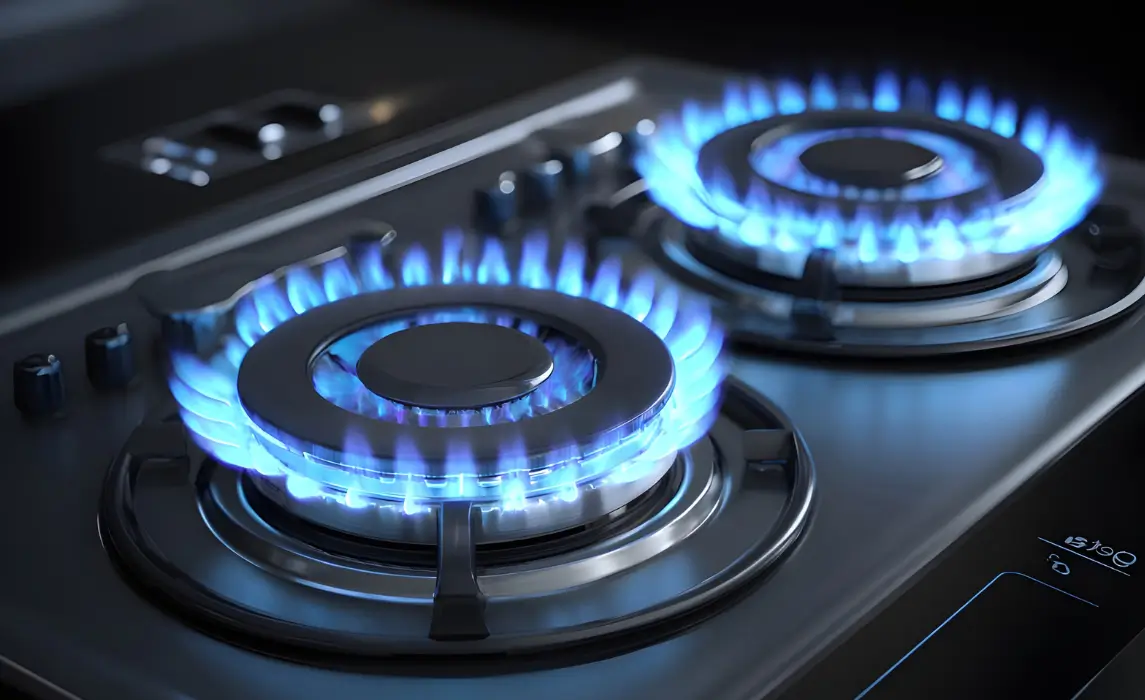
Walk into any serious home cook's kitchen and odds are you'll find a gas stove. There's something almost primal about cooking over an open flame , you can see the heat, feel it respond the instant you twist the knob, and actually control what's happening in your pan rather than just hoping for the best.
Gas excels at high-heat techniques. Stir-frying, searing, flambéing, char-grilling peppers directly on the burner, these are the moments where gas leaves every other stove type in the dust. When a recipe says "high heat," gas delivers it immediately, without a warm-up waiting period.
That said, gas isn't without baggage. Burner grates and drip caps collect grease like they were designed for it. A 2022 Stanford study raised real concerns about indoor air quality , gas stoves emit nitrogen dioxide and trace carbon monoxide, and in poorly ventilated kitchens, those levels can exceed outdoor pollution thresholds. It's not a reason to panic, but it is a reason to actually use your range hood rather than treating it as decoration.
The bottom line: Gas rewards cooks who are engaged, attentive, and cooking real food regularly. If that's you, it's hard to beat.
Nobody puts electric coil stoves on mood boards. They're not beautiful. They're not smart. They don't have Wi-Fi connectivity or precision temperature settings. What they have is reliability, affordability, and a near-indestructible build quality that has kept them in rental kitchens for decades.
The heat comes from exposed metal coils that glow orange when hot. Simple. Direct. Unglamorous. Temperature control is more "zone-based" than precise , you learn quickly that "medium" means something slightly different on every burner, and that the heat keeps going long after you've turned it off. For simmering soups or boiling pasta water, this is fine. For delicate sauces that need you to go from "medium" to "off" in an instant? You'll need to physically move the pot to a cold burner.
The underrated advantage: when a coil burns out, you replace just the coil , a $15 fix. With glass-top stoves, a cracked surface can mean a $200-plus repair or a full replacement.
The bottom line: If you're furnishing a first apartment or cooking on a tight budget, coil stoves do the job without drama. Just don't expect them to inspire you.
.webp)
Learn the different types of sugar and how to use them in baking and cooking. Discover when to use brown, white, powdered, and specialty sugars.
Read MoreFlat. Glossy. Seamless. The ceramic-glass smooth-top stove is what happens when appliance designers decide kitchens should feel more like Apple Stores. And honestly? The aesthetic appeal is real , spills wipe clean in seconds, there are no grates to disassemble, and the surface doubles as extra counter space when you're not cooking.
The heating elements sit beneath the glass, radiating heat upward. It's more even than coil burners and more affordable than induction , a reasonable middle ground for households that cook regularly but aren't obsessive about precision.
The catch nobody mentions in showrooms: that gorgeous glass surface is more fragile than it looks. Set a heavy cast iron pan down too hard, drag it across the surface, or use an abrasive cleaner once , and you've either scratched or cracked something that's expensive to replace. The heat retention issue from coil burners exists here too; the cooktop stays hot well after you've turned it off, which catches new users off guard.
The bottom line: Great for households that prioritize easy cleanup and cook with flat-bottomed stainless or non-stick cookware. If you're a cast iron devotee, think twice.
Induction stoves are the ones that make people do a double take the first time they use them. You place a pot of water on the surface, turn it on, and it boils , absurdly fast, like it's cheating somehow. The cooktop itself stays cool to the touch because the electromagnetic field heats the cookware directly, not the surface. You can boil water with your hand resting an inch away and feel nothing.
The speed is real and measurable: induction boils water roughly 50% faster than gas and is nearly 90% energy efficient, compared to gas's roughly 40%. That gap adds up on your electricity bill over time. The precision is equally impressive , induction holds temperatures with a consistency that gas can't match, which matters enormously for tasks like tempering chocolate, making candy, or holding a simmer for hours.
The one legitimate hurdle: cookware compatibility. Induction requires magnetic pots and pans , cast iron works perfectly, most stainless steel works, but aluminum, copper, and some non-stick pans don't. Before committing to induction, hold a magnet to the bottom of your current cookware. If it sticks, you're ready. If it doesn't, budget for new pans alongside the stove.
The bottom line: Induction is genuinely the best all-around stovetop option for most households today , faster, safer, cleaner, and more efficient than gas or electric radiant. The higher upfront cost pays itself back over time.
Dual-fuel ranges exist because gas and electric each dominate different parts of cooking , and someone decided they didn't want to choose.
The setup: gas burners on top, electric oven below. This matters because while gas wins on the stovetop, electric ovens are superior for baking. Electric heat is drier, more even, and holds temperature with a consistency that gas ovens , which cycle on and off to maintain temperature , simply can't replicate. Croissants, soufflés, roasts, anything that requires steady, calibrated oven heat benefits enormously from electric.
The premium is significant. Dual-fuel ranges start around $1,500 for entry-level models and climb past $6,000 for brands like Wolf, Thermador, or Viking. They also require both a gas line and a 240V electrical outlet , if your kitchen only has one of those, factor in installation costs before getting excited.
The bottom line: If you cook serious meals and bake seriously, dual-fuel is the professional choice. If you mostly cook weeknight dinners, a good single-fuel range will serve you just fine.
.webp)
Learn the different types of ovens and how to choose the right one for your kitchen. Compare convection, conventional, wall ovens, and more.
Read MorePortable stoves rarely get the credit they deserve. A single-burner induction cooktop sitting on a countertop sounds like a workaround , until you realize it can outperform a mid-range built-in stove at a fraction of the price.
The use cases are wider than most people realize: small apartments that only have a two-burner range, outdoor dinner parties, extra burner space during Thanksgiving when every inch of stove real estate is occupied, or simply a low-commitment way to try induction cooking before investing in a full range. Models like the Duxtop and Breville Control Freak have developed genuine cult followings among home cooks for their precision and portability.
Butane camp stoves fill a different niche , they're the off-grid option, requiring no electricity at all. Useful for emergencies, camping, and outdoor cooking, though not a replacement for a proper kitchen setup.
The bottom line: Don't dismiss portable stoves as a compromise. In the right context, they're genuinely the smartest choice in the room.
The honest answer is that no stove type is objectively best, but one is almost certainly best for you specifically. Think about how you actually cook on a Tuesday night, not how you imagine yourself cooking on a Sunday afternoon. That's the version of you the stove has to work for.
Gas rewards the hands-on cook. Induction rewards the efficiency-minded one. Electric radiant rewards whoever hates cleaning. And dual-fuel rewards the person who takes both seriously enough to spend accordingly.
Pick the one that fits your real life , not your ideal one.
Real questions from real people who've stood in an appliance store, completely overwhelmed, phone in hand.
For most households, yes. The speed, energy savings, and safety advantages compound over time , especially if you cook frequently. The main one-time hurdle is replacing non-magnetic cookware, but factor that cost in upfront and the math still usually favors induction over gas within a few years of use.
Cast iron is actually ideal for induction , it's magnetic, holds heat exceptionally well, and works seamlessly with electromagnetic cooking. The one thing to avoid: sliding it across the glass surface, which can scratch or crack it. Always lift, never drag.
Induction is the clear answer. The cooktop surface itself doesn't generate heat , only the pan does , so accidental contact with the burner won't cause burns. There's also no open flame, no gas leak risk, and no combustion byproducts in the air. For families with curious toddlers, that combination is hard to argue against.
.webp)
.webp)
.webp)