New Related Article: The World on Your Plate: Your Practical Guide to Global Cuisine
Explore global cuisine with this practical guide—discover flavors, dishes, and food traditions from around the world.
Read More

Use high heat, cook ingredients in batches to avoid overcrowding, and keep ingredients moving in the pan for even cooking.
Cook sliced onions slowly over low heat with a bit of oil or butter, stirring occasionally, until deeply browned and sweet.
Use a meat thermometer to check internal temperatures: 145°F for pork, 160°F for ground meats, and 165°F for poultry.
There's a specific kind of dread that comes with agreeing to host brunch. Everyone loves a morning gathering in theory, mimosas, good food, friends in a relaxed setting. But the morning it actually happens, you're standing at your stove at 8 a.m. frantically flipping bacon, watching the eggs go rubbery, and realizing the coffee hasn't brewed yet. By the time your guests arrive, you're already exhausted.
That's the problem a breakfast sandwich maker quietly solves, and it does it better than most people expect.
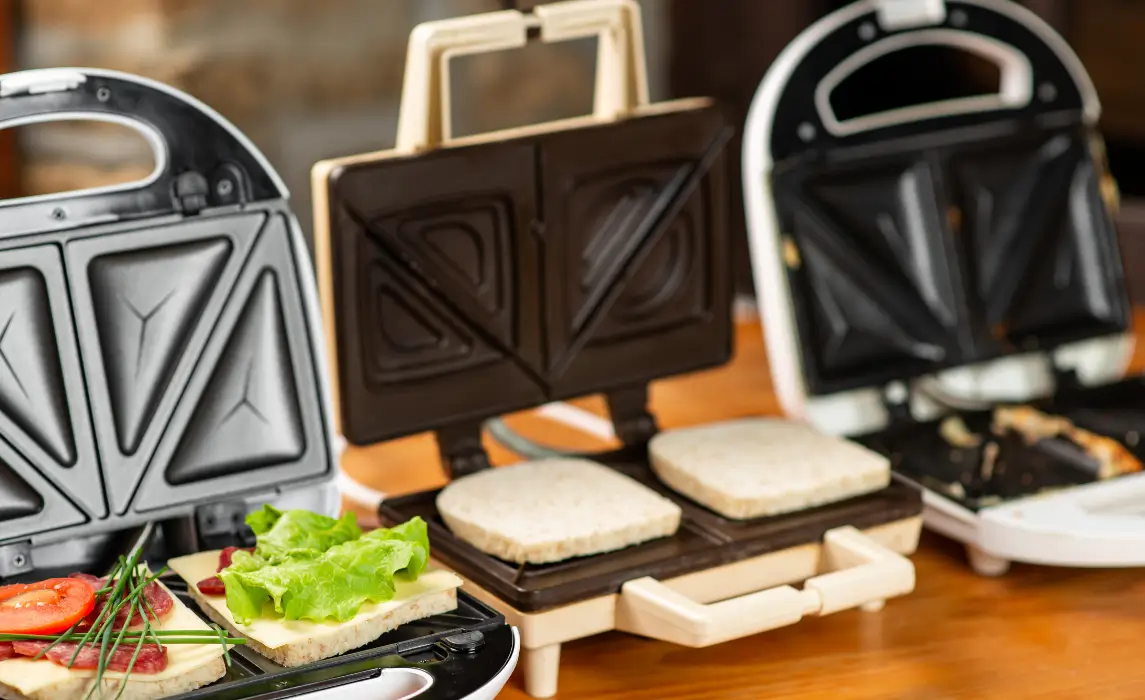
This isn't a gimmick appliance. It's a countertop device that cooks a full breakfast sandwich, egg, meat, cheese, and bread, simultaneously in about five minutes, all in one compact unit. The egg cooks on the bottom plate, the bread toasts from above, and the meat or cheese sits in a middle tray. Everything finishes at the same time. You lift the lid, fold the egg, and your sandwich is done.
For everyday use, that's already a win. But for hosting? It changes the entire dynamic of a morning party.
The traditional brunch host problem is a logistics problem. You're cooking for multiple people, every item has a different cook time, and you can't be in two places at once. Eggs get cold while bacon finishes. Toast pops up too early. Guests feel awkward watching you scramble around.
A breakfast sandwich maker shifts the labor from you to the machine, and better yet, it can shift it to your guests entirely.
When you set up a self-serve sandwich station, guests aren't just waiting for food, they're participating. They pick their bread, load their ingredients, press the lid, and set a timer on their phone. It becomes one of those unexpectedly fun hosting moments, the kind where people linger and talk while they wait for their sandwich to cook. The machine is a conversation piece and a meal-maker at the same time.
From a practical standpoint, here's what it eliminates: multiple pans, the need for a second burner, the timing coordination of cooking eggs to order, and the cleanup that comes with all of it. The non-stick plates wipe clean in seconds. There's no splattered grease on your stovetop.
And from a cost standpoint, a homemade breakfast sandwich runs roughly $1.50 to $2.50 per person in ingredients. A comparable order from a café costs $8 to $12. For a group of eight, that's a meaningful difference.
Explore global cuisine with this practical guide—discover flavors, dishes, and food traditions from around the world.
Read More
Think of this less like "putting food on a table" and more like setting up a mini restaurant counter in your kitchen. The goal is for a guest to walk up, know exactly what to do, and need zero help from you.
The layout matters more than the aesthetics. Arrange ingredients in the order a guest will use them: bread first (closest to the machine), then proteins, then cheeses, then extras. This creates a natural flow and prevents people from reaching over each other.
A few practical setup tips that make a real difference:
Keep pre-cooked proteins warm in a small slow cooker set on low, or in a covered baking dish in the oven at 200°F. Proteins that cool down affect both the cook time and the final texture of the sandwich. Pre-cooked bacon, sausage patties, and ham hold beautifully this way for up to two hours.
Use a small pitcher or measuring cup with a pour spout for pre-cracked eggs. One large egg per sandwich, crack them all the night before and store them in the fridge. This single step speeds up the process dramatically and keeps shells out of your cooking area.
Label everything, especially if you have guests with dietary restrictions. Simple labels on small cards or even folded sticky notes work fine, don't overthink it. Include allergy flags like "contains dairy" or "gluten-free option" where relevant.
For the bread, pre-slice croissants and bagels the night before so guests aren't wrestling with a bread knife mid-party. English muffins are already split and require no prep. Note that standard-size English muffins fit every machine, bagels and croissants fit most machines but can be tight, so test your specific model beforehand.
If you want to add ambiance without much effort: a tiered tray for bread varieties, small ramekins for sauces and spreads, and a chalkboard or printed card listing the "signature combo" of the day go a long way. It signals intention without requiring any real design skill.
You don't need to offer everything. In fact, too many options slow people down and create decision fatigue. Aim for two to three choices in each category and let the combinations do the work.
Proteins (pick 2–3): Bacon strips cut in half to fit the tray, pre-cooked sausage patties, thinly sliced ham, and smoked salmon are the highest-yield options for a crowd. If you're hosting a mixed dietary group, a plant-based sausage patty (like those from Beyond or MorningStar) placed alongside the meat options covers vegetarians without requiring a separate setup.
Cheeses (pick 2–3): Sharp cheddar and pepper jack are the crowd workhorses. Brie adds a brunch-appropriate elegance and pairs especially well with something sweet. Swiss is mild and melts beautifully. Pre-slice everything so guests aren't pulling at a block with their fingers.
Breads (pick 2–3): English muffins are the safest and most reliable across all machine models. Croissants add a elevated feel and work well if your machine has a slightly larger ring. Slider buns are great if kids are in the mix. Whole wheat or gluten-free English muffins round out dietary needs without a second setup.
The Extras Tray, this is where your station becomes memorable: A small jar of hot sauce, a bowl of sliced avocado with a squeeze of lime (to prevent browning), caramelized onions (make these the night before, they reheat perfectly), whole grain mustard, fig jam, and pesto are all genuinely good on a breakfast sandwich and feel more intentional than a bottle of ketchup. These small additions are what guests remember and what makes your spread feel different from anyone else's.
If you want to give guests a starting point, or just want to make the spread feel more curated, post a small card with a few named combinations. These five work reliably well:
The Classic: Egg, sharp cheddar, bacon on a toasted English muffin. This is the benchmark. Everyone likes it, it's fast, and it photographs well if your guests are the type to document their food.
The Brunch Babe: Egg, cream cheese spread on an everything bagel, topped with smoked salmon and a few capers after the sandwich comes out. The capers and salmon go on after cooking, heat ruins their texture. This one has the highest perceived effort of any option on the table, even though it takes the same amount of time.
The Garden Party: Egg, crumbled feta, baby spinach and roasted red pepper on a whole wheat English muffin. The spinach wilts slightly inside the machine, which is actually ideal. This one is naturally vegetarian and tends to appeal to guests who are trying to eat lighter.
The Indulgent Host: Egg, sliced brie, a sausage patty, and a small spread of fig jam on a croissant. This is the one people talk about. The fig jam seems strange until they try it. Make one of these for yourself before the party so you can describe it accurately when guests ask.
The Kids' Pick: Scrambled egg (pour it pre-whisked from the pitcher), mild cheddar, and ham on a slider bun. Small, soft, unfussy, and universally accepted by anyone under ten.
This is the part that makes everything else possible. If you do the prep work the night before, the morning of the party is genuinely calm.
The night before (takes about 30–45 minutes):
Morning of the party (30 minutes before guests arrive):
During the party: Let guests self-serve completely if your group is comfortable with it. If not, have one person, a partner, a helpful friend, or yourself during a calm window, operate the machine for the first round to demonstrate the process. After one or two sandwiches, most guests will take over themselves.
The realistic throughput of one machine is about eight to ten sandwiches per hour (one sandwich every five to six minutes, accounting for minor resets between rounds). For a party of six, that means everyone eats within 40 minutes if there's one machine running continuously.
Discover the best pressure cookers of 2026, including types, features, and expert reviews to help you choose the right one.
Read More
One machine handles four to six people comfortably, especially if guests arrive in waves rather than all at once, which is how morning parties typically work.
For eight to twelve people, two machines running simultaneously cuts the wait time roughly in half and makes the self-serve model work much more smoothly. Two machines side by side also make the station feel more like an experience and less like a line.
If you don't want to buy a second machine, borrowing one from a friend or family member for the event is completely reasonable, it's not the kind of appliance people have strong feelings about lending. Alternatively, some kitchen supply stores and local Facebook Marketplace listings carry affordable second units in the $20–$30 range that work perfectly well for occasional use.
If you host morning events regularly, the Hamilton Beach Dual Breakfast Sandwich Maker (around $40–$50) lets you make two sandwiches at once in a single unit and is worth the investment for its footprint-to-output ratio alone.
The self-serve nature of the station already creates interaction, guests naturally cluster around it, compare what they're making, and offer suggestions to each other. But a few small additions can amplify that energy:
Print or write out three to five named sandwich combinations on a small card and display it at the station. Guests who are uncertain about what to make will gravitate toward the named options, which keeps things moving and reduces the paralysis of too many choices.
If your group is competitive or playful, a lighthearted "best sandwich" vote at the end adds a memorable moment. Each person names their combination, others rate it, and the winner gets something small, a bottle of hot sauce, first choice of the leftover pastries, whatever fits the vibe. It sounds silly but it works.
On drink pairings: A brunch drink station pairs naturally with the sandwich setup. Classic mimosas (prosecco and orange juice) are the default. A bloody mary bar, with vodka, tomato juice, and a toppings tray of celery, olives, pickles, hot sauce, and lemon, is slightly more effort but creates its own station energy. For a non-alcoholic option, a cold brew concentrate with cream and simple syrup, or a fresh juice carafe, covers guests who aren't drinking.
The non-stick cooking plates on most breakfast sandwich makers wipe clean with a damp cloth after the machine cools. No soaking, no scrubbing. The removable parts, the egg ring tray and cooking plates on most models, are dishwasher safe, though hand washing takes about 90 seconds and preserves the coating longer.
One useful party hack: cut small squares of parchment paper to fit the bottom cooking plate. They catch overflow from eggs that are slightly overfilled, which happens with any machine when guests are pouring their own eggs for the first time. Removing and discarding the parchment between uses takes two seconds.
Set up a small designated cleanup zone away from the food station, a tray with a damp cloth or paper towels, so spills get addressed immediately rather than turning into a sticky mess by the end of the party.
Here's a realistic breakdown for a party of eight:
That's $4 to $6 per person, a fraction of what a restaurant brunch costs per head, and without the 90-minute wait for a table.
Round out the spread with seasonal fruit (grapes, berries, sliced melon, all zero-prep), a box of croissants or pastries from a bakery, and yogurt parfaits made the night before, and your total cost stays under $65 for a genuinely impressive morning spread.
The machine itself is a one-time cost. Models from Hamilton Beach and Dash, the two most reliable brands for this use case, run between $25 and $50 and are widely available at Target, Walmart, and Amazon. At that price, the machine pays for itself in savings after two or three hosting events compared to taking the same group to a café.
Here are a few things that only come up when you've actually used one of these at a party:
The most common mistake is overfilling the egg tray. One large egg is exactly right. Guests who think more egg means better sandwich will crack in a jumbo egg or add an extra yolk, and the overflow makes a mess. Mention this when you're demonstrating the machine the first time.
The bread size ceiling matters. A standard English muffin (3.5-inch diameter) fits every machine. Most bagels don't fit flat without being pressed at an angle, which affects the cook. Test your specific bread with your specific machine the day before the party so there are no surprises.
Not all machines heat evenly on the first use of the day. The first sandwich out of a cold machine often has a slightly softer bottom than subsequent ones. Make a test sandwich for yourself before guests arrive, it primes the machine and gives you breakfast.
Smoked salmon goes on after, not in. Heat destroys its texture and flavor. Add it as a topping after the sandwich comes out, along with anything else that benefits from not being cooked, fresh herbs, microgreens, sliced avocado, capers.
The best kind of hosting makes guests feel taken care of without making the host feel spent. A breakfast sandwich maker, set up intentionally, does exactly that. It gives people something to interact with, food that's hot and customized, and a host who's actually present, not hiding in the kitchen managing three pans.
It won't be the centerpiece of every party you host. But on the right morning, with the right group and a well-stocked ingredient spread, it's one of those hosting tools that makes everyone ask: where did you get that, and why don't I have one?
If you're considering adding a breakfast sandwich station to your hosting setup, a few practical questions tend to come up. Here are quick, experience-based answers to help you plan with confidence.
Yes, and you should. Most ingredients like cooked bacon, sausage, sliced cheese, and pre-cracked eggs hold well overnight when stored properly in the fridge. Reheating proteins gently (in a slow cooker or low oven) keeps them warm without drying them out, making morning setup much smoother.
Not really. After one quick demonstration, most guests find it intuitive. The key is keeping things organized, pre-sliced ingredients, labeled sections, and a simple flow make the process feel easy rather than chaotic.
This can happen with larger groups, but it’s usually manageable. Guests tend to socialize while waiting, and the process becomes part of the experience. For bigger gatherings, adding a second machine or offering a few ready-made backup options (like pastries or fruit) helps keep things moving.
.webp)

.webp)