There's a moment at the end of every good dinner party where the energy shifts. The plates are cleared, the conversation has settled into something comfortable, and nobody quite wants to leave, but nobody knows what comes next either. A well-made dessert coffee is the answer to that moment. It gives people a reason to linger, signals that the evening isn't over yet, and does something a slice of cake alone never quite manages: it makes guests feel genuinely taken care of.
This guide is built for people who entertain but aren't bartenders. You don't need an espresso machine worth four figures or a home bar that rivals a hotel lobby. What you need is a small, well-chosen pantry, a handful of reliable recipes, and an understanding of how to match what you're serving to the room you're serving it in. Everything here is scalable, most of it is make-ahead, and all of it is designed to let you enjoy your own party instead of spending the last hour of it stuck behind a coffee station.
Understanding Your Crowd Before You Brew
The single biggest mistake hosts make with dessert drinks is treating everyone the same. Before you decide what you're making, answer four questions:
What kind of gathering is this?
A formal dinner for eight calls for something elegant and individually served, a layered Bicerin or a properly floated Irish Coffee. A casual get-together for twenty calls for a self-serve station where guests pour their own. A holiday brunch calls for something warm, spiced, and already in a slow cooker when people arrive. The drink should match the formality of the occasion, not fight it.
Who isn't drinking alcohol, and who can't have caffeine?
These aren't edge cases, at any gathering of eight or more people, statistically you will have at least one person who avoids alcohol and at least one who can't have caffeine after 3pm. Neither group should end up holding a glass of water while everyone else has something special. Plan a non-alcoholic version and a decaf version of whatever you're serving before the night begins, not as an afterthought when someone asks.
What's the weather, and where are you serving?
Hot drinks belong indoors in cool weather and at seated dinners where people are staying put. Cold drinks work outdoors, in warm months, and at gatherings where people are moving around. Blended or frozen drinks are for summer and casual settings, they don't land the same way at a candlelit winter dinner table.
Are there dairy or sugar considerations?
Coconut cream whips. Oat milk steams. Condensed coconut milk works in Vietnamese coffee. None of these substitutions are noticeable to someone who isn't specifically looking for them, and offering them without being asked is the mark of a host who pays attention.
The Entertainer's Pantry, What to Stock
You don't need all of this at once. Build toward it over a few gatherings. But if you entertain more than three or four times a year, having these on hand means you're never more than ten minutes away from a genuinely impressive dessert coffee.
Spirits and liqueurs to prioritize
Kahlúa is the most versatile coffee liqueur you can own, it goes into espresso martinis, White Russians, mudslides, and works as a standalone sweetener in hot coffee. Baileys Irish Cream is second. Frangelico (hazelnut) is underused and remarkable in hot coffee. Amaretto adds an almond-marzipan warmth that pairs beautifully with chocolate. Dark rum and bourbon are your spirits for hot toddy-style drinks. Espresso vodka is the one bottle that upgrades a basic espresso martini into something with genuine depth.
Sweeteners that aren't just sugar
Simple syrup is foundational, make a large batch (equal parts water and sugar, heated until dissolved, stored in the fridge for up to a month) and you'll use it constantly. Brown sugar adds molasses depth that white sugar doesn't. Sweetened condensed milk is the secret to Vietnamese coffee and several other recipes here, don't skip it. Flavored syrups in vanilla, caramel, and hazelnut are available at most supermarkets and worth every penny for the flexibility they give you.
Dairy and alternatives
Heavy cream for whipping is non-negotiable for anything with a cream float. Buy more than you think you need. Coconut cream (the thick kind from a can, not coconut milk) whips surprisingly well and is your dairy-free float option. Oat milk is the best milk alternative for steaming and frothing, it behaves closest to whole milk and doesn't add a competing flavor.
Garnishes that do the visual work for you
A light dusting of cocoa powder through a small sieve takes ten seconds and makes any drink look finished. Cinnamon sticks are useful as both garnish and stirrer. Shaved or grated dark chocolate over a cream float is the single highest-impact garnish for the least effort. Toasted coconut flakes add texture and aroma. Crushed biscotti on a whipped cream top looks deliberate and thoughtful. Edible gold flakes are genuinely optional, but for a New Year's gathering or a special celebration, they cost very little and make an outsized impression.
Coffee itself: If you have an espresso machine, use it. If you don't, instant espresso powder dissolved in a small amount of hot water produces a concentrate that works in every recipe in this guide, this is not a compromise, it's a legitimate entertainer's shortcut used by people who know what they're doing. Cold brew concentrate (store-bought is fine) is the base for every iced recipe here and can be made at home three days in advance for almost no cost.
Read Related Article: Different Types of Tea: A Guide to Varieties and Benefits for Cozy Gatherings and Delightful Moments
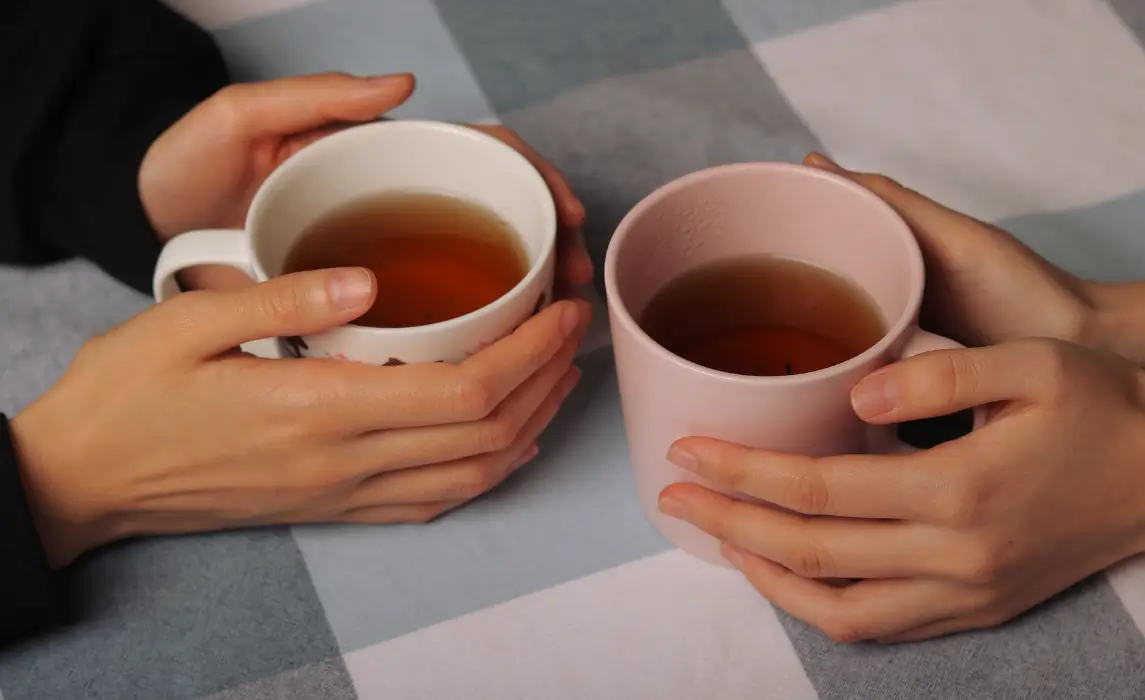
Discover the different types of tea and their unique benefits, from bold black teas to calming herbal blends, with easy pairing ideas perfect for cozy gatherings, afternoon get-togethers, and everyday moments worth savoring.
Read More
Hot Dessert Coffee Recipes
Irish Coffee
The most forgiving recipe in this guide and still one of the most impressive when done right. The difference between a mediocre Irish Coffee and a great one is two things: the cream float and the temperature of the glass. Warm your glass with hot water before you build the drink, a cold glass kills the aroma immediately. For the float, pour cold heavy cream slowly over the back of a spoon held just above the surface of the coffee. It should sit on top, not sink. That visual layer is why people order a second one.
Per serving: 150ml hot strong coffee, 40ml Irish whiskey, 1 tsp brown sugar, 30ml heavy cream floated on top. Serves warm for up to 20 minutes, make them to order or in pairs, not in advance.
Café de Olla
This is the recipe to reach for when you're hosting twelve or more people and need something that can sit in a pot and stay perfect. Café de Olla is a traditional Mexican spiced coffee brewed directly with cinnamon and piloncillo (an unrefined cane sugar with a rich, slightly smoky sweetness available in Latin grocery stores and increasingly in mainstream supermarkets). The resulting flavor is warm, complex, and unlike anything most guests will have tried. Make it in a large pot or slow cooker, ladle into cups, and let people help themselves. It is entirely caffeine-adjustable (use decaf grounds) and entirely alcohol-free by nature.
For 10 servings: 1.5 litres water, 80g ground coffee, 2 cinnamon sticks, 150g piloncillo or dark brown sugar, 3 cloves. Simmer together for 8 minutes, strain, keep warm.
Bicerin
Originally from Turin, this is three ingredients layered in a clear glass: espresso on the bottom, thick drinking chocolate in the middle, and lightly whipped cream on top. No blending, no special equipment, no technique beyond patience with the layering. It looks architecturally beautiful and tastes like the best mocha you've ever had. Serve it in small clear glasses so the layers are visible, that presentation alone will generate conversation. It does not batch well, so save it for smaller gatherings of six or fewer where you can assemble them one by one.
Elevated Signatures, Ones Guests Will Ask For Again
Salted Caramel Espresso Toddy
This is the drink that sits in the sweet spot between a cocktail and a dessert. Make a brown butter caramel by cooking butter until it smells nutty, then adding brown sugar and a splash of cream. Add bourbon and a double espresso to a warmed glass, stir in the caramel, and finish with a pinch of flaky sea salt. The fat from the brown butter caramel gives it a texture that feels indulgent without being heavy. It can be batched, make the caramel up to three days ahead.
Cardamom Rose Latte
This is your most visually striking non-alcoholic option and genuinely one of the most interesting drinks in this entire guide. Steep two cardamom pods and a small strip of orange zest in hot milk for five minutes. Strain, froth, pour over a shot of espresso, and finish with three drops of rosewater and a dried rose petal on top. The floral-spiced combination is unexpected, fragrant, and sophisticated enough that guests who don't drink alcohol will feel like they got the premium option, not the consolation one.
Toasted Coconut Mocha
Melt dark chocolate into hot coconut cream (not coconut milk, the thick canned variety) until smooth, pour over espresso, and top with lightly whipped coconut cream and a tablespoon of toasted coconut flakes. Dairy-free without announcing itself as such. The toasted coconut adds a texture and aroma that makes this feel more like a dessert than a drink. Toast the coconut in a dry pan three days ahead and store in an airtight jar.
Hazelnut Praline Coffee
Frangelico over ice with a double espresso and a housemade praline syrup (equal parts sugar and water with a handful of toasted hazelnuts, simmered for ten minutes and strained). Top with whipped cream and dust with finely crushed praline. The praline syrup keeps for two weeks in the fridge and the recipe takes four minutes to assemble. The result tastes like a Ferrero Rocher dissolved into a coffee drink, which is not a complaint.
Make-Ahead Hot Options
The constraint with hot dessert coffees at a party is that making them to order is time-consuming when you're also trying to have a conversation. These three approaches solve that:
A spiced coffee concentrate, strong brewed coffee with cinnamon, star anise, and vanilla, made the day before and stored in the fridge means you're doing nothing more than heating and pouring on the night. Dilute one part concentrate to one part hot water or hot milk at serving.
A pre-batched Irish Coffee base, the whiskey, sugar, and coffee already combined and kept warm in an insulated flask or thermos, means the only thing you're doing at serving is the cream float. That takes fifteen seconds per glass.
A mocha-coffee blend in a slow cooker is the ultimate self-serve solution for large gatherings. Combine brewed coffee, hot chocolate, a splash of vanilla, and a pinch of salt in a slow cooker on the lowest setting. Set out cups, whipped cream, and a garnish station alongside it and let guests serve themselves. This works for groups of any size and requires zero host involvement after setup.
Cold & Iced Dessert Coffee Recipes
The Cold Brew Bar, A Self-Serve Station That Runs Itself
If you're hosting more than ten people in warm weather, a cold brew bar is the single highest-impact, lowest-effort setup you can create. The concept is simple: a large jar of cold brew concentrate as the base, and four or five flavored syrups, milks, and garnishes arranged alongside it. Guests build their own drinks, combinations happen that you wouldn't have thought of, and you're free to actually attend your own party.
Label everything clearly with small cards. Include at least one dairy-free milk option, one sugar-free syrup, and one alcoholic add-in (a small bottle of Kahlúa or espresso vodka set to one side works perfectly). The station looks intentional and generous, and costs significantly less per head than individually served cocktails.
Cold brew concentrate is made by combining 100g coarsely ground coffee with 1 litre of cold water, stirring, and leaving it covered in the fridge for 18 to 24 hours. Strain through a fine mesh sieve or cheesecloth. The concentrate keeps for up to two weeks refrigerated and is far cheaper than buying it ready-made.
Read Related Article: Different Types of Blenders for Your Kitchen: Best Blender Guide
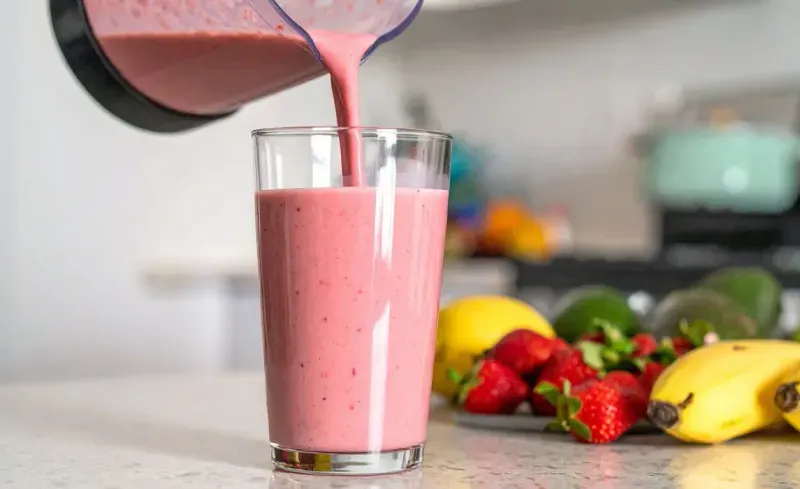
Explore the different types of blenders for your kitchen — from countertop powerhouses to compact personal blenders, so you can find the best fit for smoothies, soups, sauces, and everything in between.
Read More
Shaken & Stirred
Espresso Martini
The most requested dessert cocktail of the last five years, and for good reason, it's rich, caffeinated, visually striking, and works as both a drink and a dessert. The problem at a party is that shaking individual espresso martinis for fourteen people is a full-time job. The solution is batching.
Batch recipe for 10: 400ml espresso (cooled), 300ml vodka, 150ml Kahlúa, 100ml simple syrup. Combine and store in the fridge. When serving, pour 150ml of the mixture per person over ice in a cocktail shaker, shake hard for ten seconds, and strain into a coupe glass. The foam, which is the hallmark of a good espresso martini, comes from shaking, not from any special technique, so the batch approach works perfectly. Garnish with three coffee beans on the foam.
Iced Vietnamese Coffee
Condensed milk in the bottom of a glass, strong drip coffee poured over, crushed ice added last. Stir before drinking. The ratio is roughly one part condensed milk to three parts coffee, but this is a drink that genuinely rewards adjusting to taste, some people want it sweeter, some want it stronger, and there's no wrong answer. Use a tall clear glass so the layers are visible before stirring. For a dairy-free version, sweetened condensed coconut milk works without any noticeable difference.
Cold Brew White Russian
Cold brew concentrate instead of brewed coffee changes the texture of a White Russian entirely, it's smoother, colder, and less diluted than the original. Combine 60ml cold brew concentrate, 45ml vodka, and 30ml Kahlúa over ice in a rocks glass. Float a tablespoon of cream on top using the spoon technique. This is an easy drink to batch and one that works particularly well at casual summer gatherings.
Affogato
One scoop of vanilla gelato in a small glass or bowl, one shot of hot espresso poured over it tableside. That is the entire recipe. The drama is in the pour, the espresso hits the cold gelato and the edges begin to melt immediately, creating a sauce that pools around the base. Serve it the moment the espresso is poured. For groups, set up the scooped gelato in glasses in advance and keep them in the freezer until the moment of serving, then move quickly with the espresso. Affogato is the most effortless impressive dessert in Italian cooking and it belongs at more parties than it attends.
Blended & Frozen
Frozen Mocha Frappé
Blend cold brew concentrate, whole milk, chocolate syrup, and ice until smooth. Pour into glasses and top with whipped cream and a drizzle of chocolate. The make-ahead trick: blend without the ice, freeze in a container, then blend the frozen base with ice at serving time. This keeps the texture consistent and prevents the separation that happens when a blended drink sits too long.
Coffee Banana Nice Cream Float
Blend two frozen bananas with two tablespoons of instant espresso powder until completely smooth, this is your "nice cream," a frozen dessert with the texture of soft-serve ice cream that contains no dairy and no added sugar. Scoop into a glass and pour cold brew concentrate over the top. It reads as indulgent and dessert-forward while being genuinely one of the more nutritionally reasonable things on this list. Worth offering at any gathering with guests who avoid dairy.
Kahlúa Mudslide Slushie
Blend Kahlúa, vodka, Baileys, chocolate ice cream, and ice until thick. Serve immediately in rocks glasses with a salted chocolate rim (run a lime wedge around the rim, dip in a mixture of fine salt and cocoa powder). This is a summer party drink, not a dinner party drink, it belongs at outdoor gatherings, afternoon events, and anywhere the dress code is relaxed. Make it in two-litre blender batches.
Pairing Dessert Coffees with Food
With chocolate desserts
Go bold. A dark, bitter espresso-forward drink, straight espresso martini, affogato, or black Irish coffee, cuts through the richness of chocolate cake or mousse rather than adding to it. Avoid overly sweet coffee drinks alongside chocolate, as the sweetness compounds and both lose their distinctiveness.
With fruit-based desserts
Lighter, more floral coffee drinks earn their place here. The Cardamom Rose Latte alongside a lemon tart or a peach crumble is a combination most guests won't expect and won't forget. Cold brew with a vanilla syrup works similarly, it's present without dominating.
With a cheese course or charcuterie finale
This is where digestif-style coffee drinks come in. A coffee with a splash of amaro, or an espresso with a small pour of Fernet on the side, signals the end of the meal in a way that feels intentional. It's a European tradition that translates well to any format of entertaining.
When the coffee drink is the dessert
Serve it with something textural that doesn't require attention, biscotti for dipping, chocolate-dipped spoons for stirring, a small plate of petit fours. These are finishing gestures, not a second dessert course. They give guests something to do with their hands while the conversation continues.
Presentation & Serving
On glassware
The single most impactful change most home entertainers can make is moving from opaque mugs to clear glass for dessert coffees. Layers, colors, cream floats, and garnishes only exist visually if the glass lets you see them. Irish Coffee glasses work for hot drinks. Coupe glasses work for espresso martinis and anything served up. Rocks glasses work for iced drinks. Tall clear glasses work for cold brew and iced lattes. None of these need to be expensive, a set of clear glass Irish Coffee mugs from a kitchen shop costs less than a single bottle of good whiskey and will change how your drinks look immediately.
On garnishes
Three techniques that anyone can learn in five minutes and that cover most situations. First, the cream float: hold a spoon face-down just above the surface of the drink and pour cream slowly over the back of it, the cream spreads across the top without sinking. Second, cocoa or cinnamon dusting: put a small pinch in a fine sieve, hold it six inches above the glass, and tap lightly. Third, chocolate curls: run a warm vegetable peeler along the flat edge of a cold bar of dark chocolate. These three skills cover ninety percent of the garnish situations in this guide.
On creating a signature drink for the occasion
Name it. This sounds trivial but it isn't, a drinks menu card that says "The Midnight Mocha" or "The December Special" sitting on your table is a detail guests notice and remember. It takes three minutes to write on a small card and signals the kind of attention to the evening that makes people feel like they were somewhere that mattered.
Read Related Article: Different Drink Glasses: Types of Glassware for Each Drink
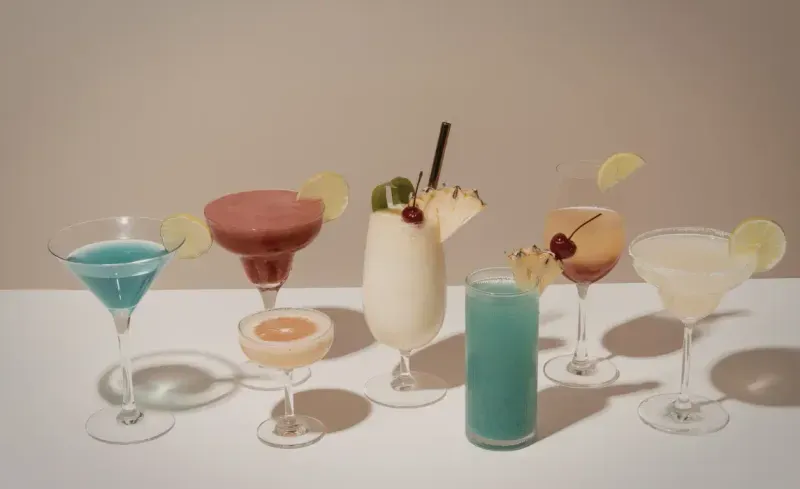
Explore the different types of drink glasses and learn which glassware belongs with which drink — from wine and cocktail glasses to beer and whiskey tumblers, so every pour looks and tastes exactly as it should.
Read More
Batch Recipes & Make-Ahead Strategy
The principle that makes hosting dessert coffees manageable is simple: separate what can be made in advance from what must be done at serving, and do as much in advance as physically possible.
The reliable rule is that anything containing cream, whipped, floated, or blended, should be assembled at or immediately before serving. Cream deflates, separates, and loses its texture if left too long. Everything else, syrups, bases, concentrates, infused milks, pre-batched cocktail bases, can and should be made ahead.
For scaling, start with a single-serving recipe and multiply every ingredient proportionally. The only adjustment is time: a batch of ten espresso martinis needs to be shaken in two or three batches of four rather than all at once (a standard cocktail shaker maxes out at two servings). For hot drinks, multiply and keep warm in a slow cooker or insulated thermal server.
Pre-batch storage times worth knowing: simple syrup keeps for one month refrigerated. Cold brew concentrate keeps for two weeks. Praline syrup keeps for two weeks. Pre-batched cocktail bases (without cream or citrus) keep for 48 hours. Infused milks keep for 24 hours. Spiced coffee concentrate keeps for five days.
The self-serve station approach, where everything is set up on a tray or a section of the kitchen counter and guests pour for themselves, is not a shortcut, it's a hosting strategy. It gives guests agency, creates a natural gathering point, and frees you entirely from drink production after the initial setup. For groups over twelve, it's almost always the right choice.
Non-Alcoholic Versions for Every Recipe
Every recipe in this guide has a non-alcoholic version. This is not optional if you're entertaining, it's table stakes. Someone at your gathering is pregnant, sober, driving, on medication, or simply doesn't drink, and that person deserves a dessert coffee that feels as considered as what everyone else has.
The swap guide: Kahlúa is replaced by a mixture of strong espresso, simple syrup, and a few drops of vanilla extract. Baileys is replaced by a blend of condensed milk, cream, and a small amount of instant espresso powder. Frangelico is replaced by hazelnut syrup (available at any coffee chain supplier or online). Whiskey and bourbon in hot drinks are replaced by a quarter teaspoon of smoked vanilla extract, which adds warmth and complexity without alcohol. Rum is replaced by a few drops of coconut extract with dark brown sugar.
None of these substitutions produce an identical drink. They produce a different but equally interesting one, which is the right way to think about it. Don't frame the non-alcoholic version as the lesser option. Name it differently, garnish it equally, and serve it with the same care.
At a self-serve station, label alcohol-free options with a small symbol, a star, a circle, anything consistent, so guests can identify them at a glance without having to read every label.
Seasonal Menus, Four Ready-to-Use Entertaining Scenarios
Winter Holiday Dinner Party
Offer the Bicerin as the seated dessert drink, it requires assembly but rewards it visually, and a formal dinner setting gives you the time to make them one by one. Have a batch of the Salted Caramel Espresso Toddy pre-made and kept warm in a thermos for anyone who wants a second drink. Keep Irish Coffee as the late-evening option for guests who are staying on. The decaf version of the spiced coffee concentrate covers everyone who can't have caffeine.
Summer Garden Party
Set up a cold brew bar an hour before guests arrive and let it run itself. Have an espresso martini batch chilling in the fridge, shake and strain to order when people start asking for something more festive. At the peak of the afternoon, bring out affogato: pre-scooped gelato glasses from the freezer, espresso poured tableside. It takes five minutes to do ten and it will be the moment of the party.
Autumn Gathering or Thanksgiving
Café de Olla in a slow cooker is the move here. Set it up before anyone arrives and the smell alone, cinnamon, dark sugar, clove, sets the atmosphere before a single guest sits down. Have Hazelnut Praline Coffee available for those who want something more elaborate. Both drinks lean into the season's warmth and spice in a way that feels intentional rather than accidental.
Casual Weekend Brunch
Iced Vietnamese Coffee in tall glasses with condensed milk visible through the glass. A slow cooker of the Coconut Mocha blend for anyone who wants something hot. A small DIY flavored latte station, cold brew concentrate, oat milk, and three or four syrups, where guests make their own. This is the most relaxed format in this guide, and it should feel that way: low effort from the host, high enjoyment for everyone.
Quick Reference, Recipes by What You Need
Under 5 minutes per drink: Affogato, Iced Vietnamese Coffee, Cold Brew White Russian, any drink from a pre-batched base.
Highest visual impact for lowest skill: Bicerin (layering), Affogato (tableside pour), Espresso Martini (foam and three coffee beans), Cardamom Rose Latte (dried rose petal garnish).
Best for large groups: Café de Olla in a slow cooker, Cold Brew Bar station, batched Espresso Martini, Frozen Mocha Frappé made ahead.
Best for non-drinkers: Cardamom Rose Latte, Café de Olla, Iced Vietnamese Coffee, Coffee Banana Nice Cream Float, any Mocha variation with alcohol-free swaps.
Best for cold weather: Irish Coffee, Salted Caramel Espresso Toddy, Bicerin, Hazelnut Praline Coffee, Café de Olla.
Best for warm weather: Cold Brew Bar, Espresso Martini (batched, served cold), Affogato, Kahlúa Mudslide Slushie, Coffee Banana Nice Cream Float.
Frequently Asked Questions
1. Can I make dessert coffees without an espresso machine?
Yes, and most of the recipes in this guide are written with exactly that in mind. Instant espresso powder dissolved in a small amount of hot water produces a concentrate that works in every recipe here, hot drinks, iced drinks, and batched cocktails included. Cold brew concentrate, whether store-bought or homemade, covers every iced recipe. An espresso machine helps but it has never been a requirement for any of this.
2. How far in advance can I realistically prepare for a dessert coffee service?
Most of the work can be done 24 to 48 hours ahead. Syrups, cold brew concentrate, spiced coffee bases, and pre-batched cocktail mixtures all keep well refrigerated and take the pressure off the actual night. The only things that genuinely need to happen at serving are cream floats, blended drinks, and anything with espresso poured hot, like affogato. If you handle everything else in advance, those last-minute steps take minutes rather than half an hour.
3. What's the one dessert coffee to serve if I've never done this before?
Start with the affogato. One scoop of good vanilla gelato, one shot of hot espresso poured over it at the table. No special equipment, no technique to master, no batching math. It looks dramatic, it tastes exceptional, and every single guest will understand immediately what they're eating. Once you've done it once, you'll understand why this guide exists, and you'll want to try everything else on the list.


.webp)
.webp)
.webp)