Most people buy a teapot based on how it looks on a shelf. Then they use it at a gathering and discover that the spout drips, the handle heats up, it runs dry after two cups, or the tea is lukewarm by the time the third person is served. The teapot was beautiful. It just wasn't built for the situation.
Entertaining with tea is a specific use case, and it rewards a specific kind of thinking. The type of tea you're serving, the number of guests, the pace of the occasion, and the atmosphere you're trying to create all point toward different materials and sizes. This guide breaks down the main teapot types, not just what they're made of, but how they actually perform when there are people around your table and expectations to meet.
Ceramic Teapots, The Reliable Everyday Host
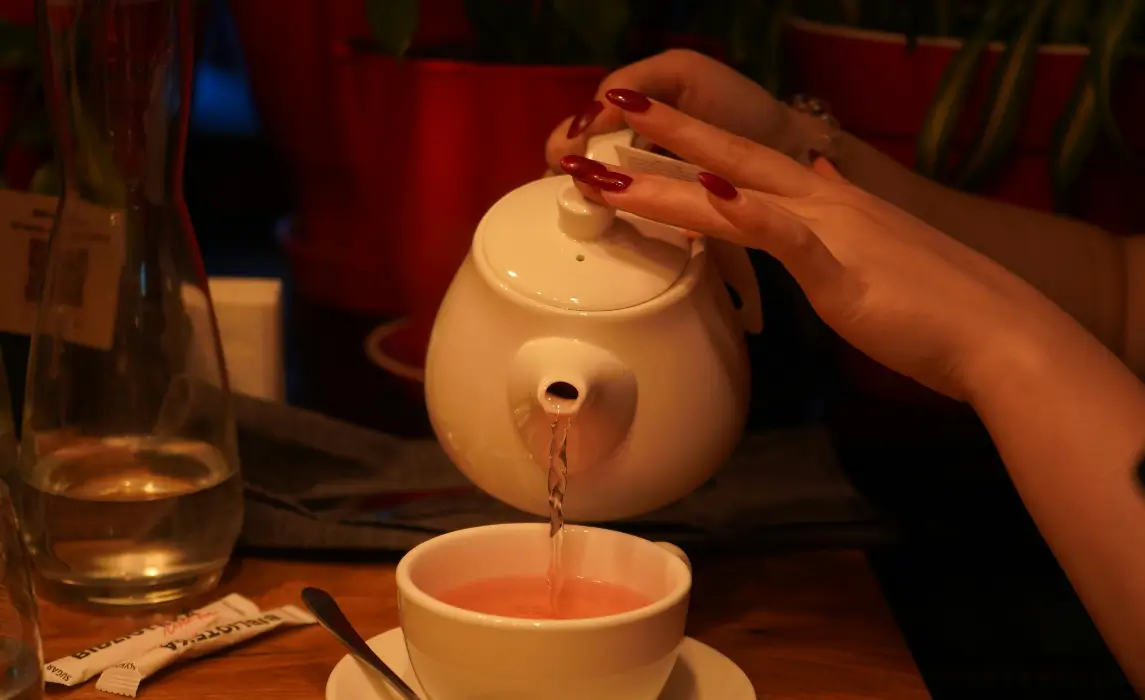
Ceramic is where most people start, and for casual entertaining it holds up well. It's forgiving, widely available in every size and style, and pairs naturally with almost any table setting. A glazed ceramic pot in a warm tone or a simple matte finish looks considered without trying too hard, which is exactly the energy you want for a relaxed afternoon with friends or a weekend brunch where tea is one of several things happening at once.
The thing most guides skip over: ceramic retains heat for roughly 20 to 30 minutes before the tea starts to cool noticeably. That's enough for one unhurried round with four to six guests from a standard 900ml to 1.2 litre pot, but it means you'll need to plan a second brew if the conversation stretches. A simple solution is a tea cosy, which extends that window by another 15 to 20 minutes without any extra effort, a practical detail that makes a real difference during longer gatherings.
One habit worth building: always rinse the pot with hot water for 30 seconds before brewing. Ceramic absorbs cold quickly, and skipping this step drops your brew temperature by several degrees from the first pour, which flattens the flavour noticeably, especially with green or white teas that need lower temperatures to begin with.
Ceramic is non-reactive and non-porous enough for general use, which means you can alternate between black tea one afternoon and herbal the next without flavour carry-over becoming an issue.
Read Related Article: Different Types of Tea: A Guide to Varieties and Benefits for Cozy Gatherings and Delightful Moments
Discover the different types of tea, their unique flavours, and benefits, from bold black blends to calming herbal infusions perfect for cozy gatherings and quiet moments at home.
Read More
Cast Iron Teapots, For Slower, More Intentional Gatherings
Cast iron teapots hold heat longer than any other material, typically 45 minutes to an hour, sometimes more depending on room temperature. That single quality changes the character of an occasion. When tea stays warm without a second brew, the table stays full and no one is being interrupted. For a dinner party that moves into tea, a long Sunday afternoon, or any gathering where the point is to linger, cast iron earns its place in a way that lighter materials simply can't.
The visual weight of cast iron also does something subtle but real. Placed on a wooden board or a woven tray, a cast iron pot signals that the moment is intentional. It's not a practical detail, it's an atmosphere detail, and the two are worth separating in your thinking.
Before buying, there are two things to confirm. First, look for an enamelled interior. Without it, the pot is designed only for boiling water directly over heat, not for brewing inside, and using it for tea will introduce metallic flavour into every cup. Second, consider the weight in use. A filled cast iron pot in the 800ml range can weigh close to 1.5kg, which changes how you pour. It's not a problem, but it's worth knowing before you're reaching across a table in front of guests for the first time.
For size, a 600ml to 800ml cast iron pot is the sweet spot for a table of four to six. Larger than that and the weight becomes less manageable during pouring.
Glass Teapots, When the Brew Is Part of the Show
Glass teapots are built for a specific moment, and they deliver that moment very well. Blooming teas, compressed bundles of dried flowers and tea leaves that unfurl slowly in hot water, are designed entirely around glass. So are deeply coloured infusions: hibiscus turns a vivid crimson, butterfly pea flower produces a blue that shifts to purple when lemon is added, and berry blends create a range of warm rose tones. In a glass pot, these become a centrepiece conversation starter before a single cup is poured.
For daytime entertaining, garden lunches, or occasions where the visual character of the table matters, a baby shower, a styled afternoon tea, a celebration brunch, glass adds something that no other material can. It also removes the guesswork for guests, since the colour and opacity of the brew tells them immediately what they're being served.
The practical trade-off is heat retention. Glass loses warmth faster than any other teapot material, which means brewing to the table and serving promptly rather than leaving it to sit. If your gathering moves at a slower pace or you're serving across multiple tables, glass introduces a logistical challenge that ceramic or cast iron handles more gracefully. Use glass when presentation and immediacy align. It's not the right tool for every occasion, but when it fits, nothing else comes close.
One buying note: look for borosilicate glass rather than standard glass. Borosilicate handles thermal shock, the sudden change from cold pot to boiling water, without cracking, which is not something standard glass reliably does.
Read Related Article: Different Types of Tea: A Guide to Varieties and Benefits for Cozy Gatherings and Delightful Moments
From green to oolong, herbal to white — explore every type of tea, what makes each one distinct, and which varieties suit every mood, occasion, and gathering best.
Read More
Porcelain Teapots, The Formal Table's First Choice
Porcelain is the material of occasion. Thin-walled, refined, and almost always elegant in proportion, a porcelain teapot on a properly laid table signals that the gathering has been thought about. It belongs at a formal afternoon tea, a seated celebration, or any event where the details of the table matter as much as the company around it.
Beyond presentation, porcelain performs well in practical terms. It is fully non-porous and flavour-neutral, which makes it the best choice for hosts who rotate between different types of tea in the same pot. Black, green, white, oolong, none of them leave a trace behind in porcelain, which matters if you're serving a variety to guests with different preferences. It also heats evenly and brews cleanly, with nothing in the material interfering with the flavour of what's inside.
The honest consideration for entertaining: porcelain requires more care than ceramic or cast iron. Fine pieces are fragile, and a busy, high-volume hosting environment is where chips and cracks happen. Reserve porcelain for smaller, more considered occasions where pace is unhurried and handling is careful. For those moments, it is genuinely the best choice on the table.
Stainless Steel Teapots, The High-Volume Hosting Tool
Stainless steel is not trying to be beautiful, and the best versions of it don't pretend otherwise. What it does is keep tea hot, survive heavy use, and not ask anything of you in terms of care or handling. For large family gatherings, buffet setups, office environments, or any occasion where tea is being served at scale rather than as a curated experience, stainless steel is the most practical option available.
Heat retention is strong, comparable to cast iron in some insulated double-walled models, and sizes above 1.5 litres make it genuinely useful when you're serving a room rather than a table. Double-walled stainless steel teapots are worth the slight price premium for entertaining specifically, because the outer surface stays cool to the touch even when the interior is holding near-boiling water, which matters in a moving, crowded hosting environment.
The role it plays best is backstage. Keep it on a side table or serving station rather than at the centre of the table, and let the visual character of the occasion be carried by the cups, the setting, and the food. The steel pot keeps everything running smoothly behind the scene so the experience at the table feels effortless, which is what good hosting always looks like from the outside.
How to Think About Size Across All Types
Size is where most people underestimate their actual needs. A 500ml teapot serves two people one round of tea. A 900ml to 1 litre pot serves four people one round comfortably. A 1.2 to 1.5 litre pot serves six. If you're hosting more than six guests and using a single pot, plan for two pots rather than one oversized one, a large pot brewed and left waiting loses temperature across the board, and the tea at the bottom of a 2 litre pot is always weaker and cooler than the tea poured from the top.
For formal occasions, two matching porcelain or ceramic pots on the table, one at each end, look considered and solve the volume problem elegantly. For informal gatherings, a cast iron pot and a ceramic backup covers both heat retention and capacity without redundancy.
Building a Teapot Set for Entertaining
The practical reality is that one teapot will not serve every occasion you host. The combination that covers the most ground without overlap is a mid-size ceramic pot for casual and everyday use, a cast iron pot for slower and more intimate occasions, and a glass pot for visually driven moments where the brew itself is part of the experience. Between those three, the majority of hosting situations are covered, and each pot has a clear role rather than competing with the others.
If budget is the constraint, start with ceramic, it does the most things adequately. Add cast iron when you find yourself wishing tea stayed warmer longer. Add glass when a specific occasion calls for it. That order of priority reflects how the need actually develops in practice rather than how it looks on a gift registry.
The teapot rarely becomes the thing guests consciously notice. But the experience it creates, tea that stays warm, poured without dripping, from something that suits the occasion, is felt in the background of the whole gathering. That background quality is exactly what good entertaining is built from.
Frequently Asked Questions
What is the best teapot material for keeping tea warm during a long gathering?
Cast iron holds heat the longest, typically 45 minutes to an hour, making it the best choice when guests are lingering and you don't want to run a second brew mid-conversation.
How big should a teapot be for entertaining guests?
A 900ml to 1 litre pot serves four people one comfortable round. For six guests, go for 1.2 to 1.5 litres. Beyond six, use two pots rather than one oversized one, large pots left sitting lose temperature unevenly and the last cups are always weaker.
What is the difference between a cast iron teapot with and without an enamel interior?
An enamelled interior means the pot is safe for brewing tea directly inside. Without enamel, the pot is designed only for heating water over a heat source, brewing tea inside an uncoated cast iron pot will add a metallic flavour to every cup.
Can I use the same teapot for different types of tea?
Porcelain and glazed ceramic are the safest choices for rotating between tea types, both are non-porous and flavour-neutral, so black tea one day and green tea the next won't carry over in taste. Unglazed clay pots like Yixing absorb flavour over time and are traditionally dedicated to one type of tea only.
Why does my teapot drip when I pour?
Dripping is usually caused by a poorly designed spout angle or a lid that doesn't vent properly. When buying for entertaining, pour a small amount of water in-store or check reviews specifically for dripping before purchasing, it's one of the most common and avoidable frustrations in daily use.
Is a glass teapot safe to use with boiling water?
Only if it is made from borosilicate glass. Standard glass can crack under the sudden temperature change of boiling water. Borosilicate glass is designed to handle thermal shock safely, so always confirm the material before using a glass teapot with a full boil.
How do I keep tea warm at the table without rebrewing?
A tea cosy over a ceramic pot extends warmth by 15 to 20 minutes without any extra effort. For longer gatherings, a cast iron pot or a double-walled stainless steel pot is the more reliable solution, as both retain heat structurally rather than relying on an insulating cover.



.webp)
.webp)
