There's a moment at every good summer party, usually around the second hour, when someone wanders over to the drinks table and just stays there. Not because they're awkward. Because you did something right.
Getting drinks right for a gathering isn't about having an impressive liquor collection or knowing how to make a craft cocktail. It's about reading the room before the room even fills up, knowing who's coming, what the vibe is, and how much work you're actually willing to do while also being a host. This guide cuts through the noise and gives you what actually works.
Before You Buy Anything: The Questions That Save You Money and Stress
Most drink planning mistakes happen at the store, not the party. Ask yourself these four things first:
Who's actually coming? A mixed group of adults with varying drinking preferences is very different from an all-friends backyard hangout or a family reunion where kids and pregnant guests will be present. If you're unsure, lean toward flexibility, a drink station that works for everyone beats a curated cocktail list that half the room can't touch.
How long is the party? A two-hour brunch calls for a completely different setup than a six-hour Saturday evening cookout. For longer events, people naturally slow down and want more variety, including water, which most hosts drastically underestimate.
What's the food situation? Heavy grilled food pairs well with lighter, crisper drinks (citrus-forward, low sugar). Spicy food calls for something cooling and slightly sweet, think coconut water blends or a mango limeade. If food is light or not the focus, be careful about offering strong cocktails on an empty stomach.
What's your honest role? If you're also cooking, managing kids, or playing DJ, you cannot also be a bartender. Plan accordingly. Batch drinks and self-serve setups exist precisely for this reason.
The One Quantity Rule Worth Memorizing
For a gathering of any size, plan on one drink per person per hour as your baseline. For a four-hour party with 20 guests, that's 80 drinks total. Not everyone drinks at the same pace, some will have two in the first hour, some will nurse one all afternoon, but this number gives you a buffer without over-buying. Add 20% for a comfortable cushion.
For non-alcoholic options, many hosts underestimate how much is consumed, especially on hot days. Non-alcoholic drinks should make up at least 40% of your total drink volume at any summer gathering. People cycle through water, mocktails, and sodas between alcoholic drinks more than you'd think.
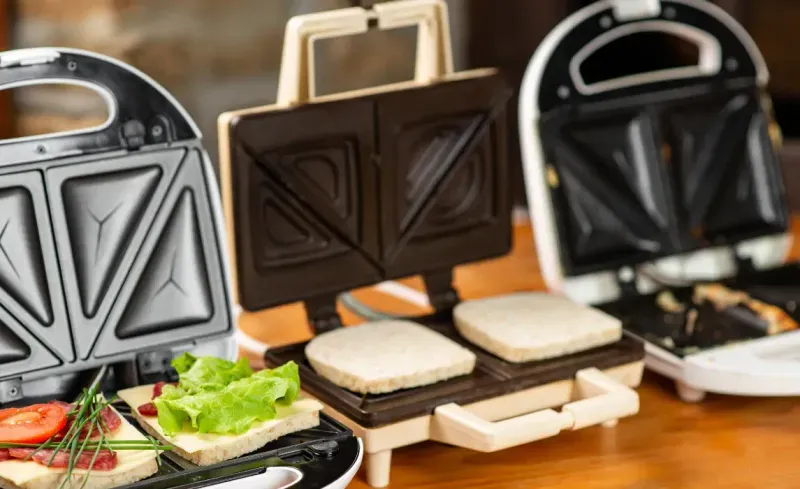
Read Related Article: The Breakfast Sandwich Maker: Your Secret Weapon for Stress-Free Brunch Entertaining
Make brunch effortless with the Breakfast Sandwich Maker, your secret weapon for quick, delicious, stress-free entertaining guests will love.
Read More
Batch Drinks: The Real Backbone of Entertaining
If there's one thing that separates a stressed host from a relaxed one, it's a batch drink ready to go. A properly made batch cocktail or mocktail doesn't just save you time, it sets the tone for the whole party.
What Makes a Batch Drink Work
The difference between a great batch cocktail and a watered-down disappointing one usually comes down to two things: acid balance and dilution control.
Most cocktails are designed for a single serving shaken or stirred with ice, which adds dilution. When you batch, you skip that step, so you need to add water intentionally. A good rule of thumb: add 15–20% water by volume to your batched cocktail to approximate what shaking or stirring would add. For a one-liter batch, that's about 150–200ml of water stirred in before refrigerating.
On acid: citrus juice oxidizes and loses brightness within hours. If your batch includes lime or lemon juice, add it no more than two to three hours before serving. Alternatively, use citric acid solution (1 tsp citric acid dissolved in 1 cup water) as a stable substitute, bartenders use this trick constantly and it holds up beautifully in large batches overnight.
Drinks That Actually Scale Well
Sangria is the gold standard of party drinks for a reason. It improves with time (make it the night before), feeds a crowd, and forgives variation. Use a dry wine, overly sweet wine makes cloying sangria. Add brandy or orange liqueur, fresh citrus slices, and whatever fruit is in season. For a white sangria, try Pinot Grigio with peaches, cucumber, and a splash of elderflower liqueur.
A proper party punch deserves more credit than it gets. The classic formula is simple: something strong (spirit), something sour (citrus), something sweet (simple syrup or juice), something weak (water, soda, or tea), and something sparkling added just before serving. For summer, try a hibiscus tea punch base, steep dried hibiscus flowers in hot water, sweeten lightly, cool it completely, then add rum and lime. It's stunning, naturally caffeine-free, and works just as well as a mocktail base without the rum.
Agua fresca is massively underrated at parties outside of Latin American households, and it shouldn't be. Blend watermelon, cucumber, or tamarind with water and a little lime and sugar, strain it, and refrigerate it in a big jar. It's naturally beautiful, alcohol-free, endlessly refreshing, and costs almost nothing. It also photographs incredibly well if anyone at your party is the type to photograph drinks.
Self-Serve Stations: How to Stop Being a Bartender at Your Own Party
A well-designed drink station does three things: it keeps guests occupied and happy during the "settling in" phase of a party, it removes the pressure of people asking you for drinks, and it becomes an actual talking point and activity.
The Anatomy of a Good Drink Station
Start with the vessel. A large glass drink dispenser (the kind with a spigot) is worth owning if you entertain even twice a year. Fill it with your pre-made batch drink, add floating citrus slices and fresh herbs, and place it where people can see it as soon as they arrive. Visual appeal matters, people are more likely to help themselves to something that looks inviting.
Beside the dispenser, set up a small garnish tray. Fresh mint sprigs, cucumber rounds, citrus wheels, and halved strawberries take five minutes to prep and make every drink feel intentional. Place them in small bowls with tongs or spoons, not loose on a tray, this keeps things looking clean as the party progresses.
For an ice setup: if you're serving a crowd, block ice is dramatically better than cubed ice. It melts much more slowly, keeps drinks cold longer without diluting them, and one or two large blocks in a cooler will outlast bags of cubed ice by hours. You can buy block ice, freeze water in a bundt pan, or use silicone molds for large cubes. For drinks that go directly in glasses, pre-freeze large ice cubes (2-inch molds are widely available) so they melt slowly in the glass.
The Mocktail Station, Not an Afterthought
Here's something most party guides don't tell you: a dedicated mocktail station gets more use than people expect, including from guests who drink alcohol but want something in between. Treat it with the same care as your cocktail setup.
Stock it with: sparkling water (both plain and flavored), a few homemade syrups (more on this below), fresh citrus, bitters (these are almost always non-alcoholic and add enormous complexity), and a selection of interesting mixers like ginger beer, coconut water, or cold hibiscus tea. Let guests build their own combinations. Label things clearly, "lavender syrup," "cucumber mint water," "ginger beer", and you'll be surprised how much people enjoy the creative element.
Read Related Article: Different Types of Ovens: Choose the Right Oven Type
Explore different types of ovens and find the right one for your kitchen, cooking style, and needs with this simple guide to oven selection.
Read More
Flavored Simple Syrups: The Small Detail That Makes Everything Better
If you make one thing ahead for a party, make a flavored simple syrup. The ratio is always 1:1 sugar to water, heated until dissolved. From there, the flavor variations are endless, and they keep in the fridge for up to three weeks.
Mint syrup, Add a large bunch of fresh mint to the hot syrup, steep 15 minutes off the heat, strain. Essential for lemonade, iced tea, and mojito-style drinks.
Hibiscus syrup, Steep dried hibiscus flowers (widely available at Latin grocery stores, sometimes labeled as jamaica) in hot syrup for 20 minutes. The color is a deep jewel-toned magenta. A splash transforms sparkling water into something extraordinary.
Ginger syrup, Simmer peeled, sliced fresh ginger in the syrup for 20 minutes. Strain and cool. Add it to lemonade, iced tea, or sparkling water with lime for a ginger beer alternative that's lighter and fresher.
Spiced brown sugar syrup, Use brown sugar instead of white, add a cinnamon stick and two star anise while heating. This works beautifully in cold brew coffee drinks or dark rum cocktails.
The reason these matter at a gathering: they allow one basic setup (sparkling water + ice + garnish) to produce dozens of different drinks, giving guests agency without requiring you to be behind a bar.
Frozen Drinks: When to Commit and When to Skip Them
Frozen drinks are genuinely crowd-pleasing at outdoor summer parties, but they come with operational realities that most guides gloss over.
A standard blender makes two to three servings at a time and takes about 45 seconds per batch. If you have 30 guests who all want a frozen margarita, you will be standing at that blender for the better part of an hour. Either commit to a frozen drink station with two blenders running simultaneously, or pre-batch frozen drinks in zip-lock bags laid flat in the freezer overnight (they won't be as smooth, but they work), or limit frozen drinks to one designated window of the party, "frozen drinks are happening at 4 PM" creates a fun moment rather than a logistical bottleneck.
The drinks that genuinely hold up well in a frozen format: margaritas (use fresh lime, not mixer), piña coladas (full-fat coconut cream, not coconut milk), and frosé (blend frozen rosé with a little strawberry syrup and lemon juice). Avoid freezing anything with dairy-based cream liqueurs, the texture doesn't survive blending well at scale.
Drinks by Party Type: Matching the Drink to the Moment
Backyard BBQ and Cookouts
The priority here is ease, coldness, and compatibility with smoky, savory food. Pre-stocked coolers with canned beer, hard seltzers, and canned sparkling water are genuinely the right call, not a compromise. Pair with one big-batch lemonade or agua fresca in a dispenser and you've covered everyone. Don't overthink it.
For the one "special" drink: a large-batch shandy (equal parts light beer and lemonade, served over ice) is underrated, crowd-friendly, and lower in alcohol than most cocktails, which matters for afternoon events.
Pool Parties
Cold, low-effort, and spill-friendly. Canned cocktails have improved dramatically in quality over the past few years and make perfect sense here, no glass near the pool, nothing to mix, easy to keep cold. Supplement with frozen lemonade popsicles or ice pop molds filled with your hibiscus agua fresca, which doubles as both a drink and a snack.
Brunch Gatherings
The mimosa bar has become a cliché because it works. Set out Prosecco or Cava (not Champagne, save the money), three to four juice options (orange, grapefruit, peach nectar, and one wild card like guava or passion fruit), and let guests build their own. Add a non-alcoholic option, sparkling water with the same juices, and the setup serves everyone.
Cold brew coffee on the side is essential. Make it two days ahead (steep coarse-ground coffee in cold water for 18–24 hours, strain), dilute 1:1 with water before serving, and set it out with milk, cream, and simple syrup. This one detail makes brunch feel genuinely thoughtful.
Evening Garden or Patio Parties
This is where you can elevate things without it feeling out of place. Offer one well-made signature cocktail, a Aperol spritz, a Paloma, a gin and tonic with interesting botanicals, alongside your batch option. Use proper glassware. Add taper candles to the drink table. The atmosphere does as much work as the drinks themselves.
For a non-alcoholic option at an evening gathering, try a sparkling shrub drink: combine apple cider vinegar, fruit (berries, peach, or citrus work beautifully), and sugar; let it steep for a week in the fridge; strain; and serve mixed 1:4 with sparkling water. Shrubs taste complex and slightly fermented without any alcohol, they're genuinely impressive to guests who don't expect much from the non-drinking side of the menu.
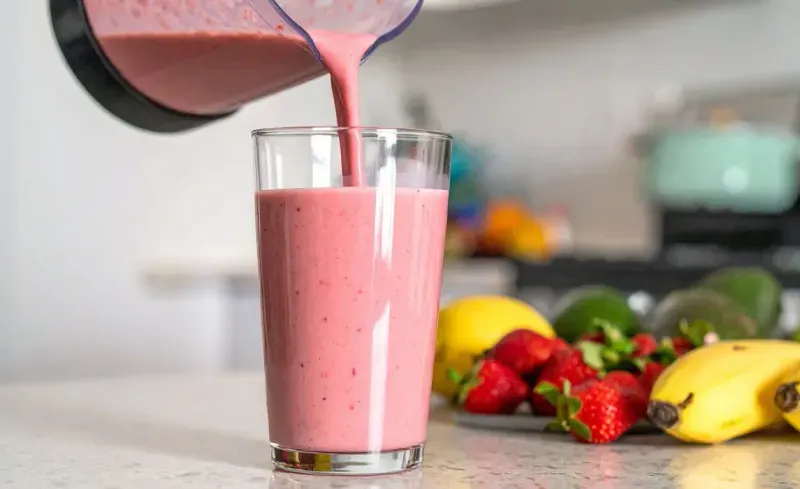
Read Related Article: Different Types of Blenders for Your Kitchen: Best Blender Guide
Discover the different types of blenders for your kitchen and find the best blender to match your cooking needs, lifestyle, and budget.
Read More
The Practical Part No One Talks About: Day-Of Logistics
Label everything. Alcoholic drinks and non-alcoholic drinks should be visually distinct and clearly labeled. This isn't just for people avoiding alcohol, it prevents accidents and lets guests make informed choices without having to ask.
Set up before guests arrive, completely. This sounds obvious, but it means having ice already in the cooler, the dispenser already filled and garnished, and cups or glasses already set out. The first 20 minutes of any party are chaos, you should not be making drinks during that window.
Designate a drink area and keep it stocked. One corner, one table, well-lit, easy to access from multiple directions. Restock it proactively rather than reactively, when you notice the ice is getting low or the garnish bowl is nearly empty, refill it immediately. This takes about 30 seconds and prevents the drink station from looking sad by hour two.
Water, always. Set out a dedicated water dispenser or large pitcher of ice water with no fanfare, just put it there. Guests drink more water than they realize at summer parties, and having it visibly available (not tucked behind the cocktails) genuinely matters for everyone's wellbeing and enjoyment of the evening.
A Note on Inclusivity That's Worth Saying Plainly
The best summer parties are the ones where everyone feels equally welcomed, including people who don't drink alcohol for any reason, health, pregnancy, medication, personal preference, sobriety, or simply not feeling like it that day. The way you make that happen isn't by putting out a two-liter of soda as an afterthought. It's by giving the non-alcoholic options the same care, presentation, and thought as everything else.
When non-alcoholic drinks are genuinely good, not just "fine", guests who drink alcohol often reach for them too, which makes the party more sustainable and more fun for everyone well into the evening.
That's the standard worth aiming for.
Frequently Asked Questions
How far in advance can I make batch cocktails?
Most batch cocktails, sangria, punch, and spirit-forward mixes, taste best made 12 to 24 hours ahead. Anything with citrus juice should have it added no earlier than two to three hours before serving to keep it bright and fresh.
How much ice do I actually need for a party?
A safe rule is one pound of ice per person for drinks, plus an additional pound per person if you're also using ice to keep food cold. For a four-hour outdoor summer party, bump that up by 25%, heat and frequent cooler-opening burn through ice faster than people expect.
What's the easiest single upgrade I can make to my drink setup?
Make one flavored simple syrup the day before. A mint, hibiscus, or ginger syrup costs almost nothing, takes 20 minutes, and instantly elevates sparkling water, lemonade, and iced tea from ordinary to genuinely memorable, for both drinking and non-drinking guests.

.webp)

-p-800.webp)

.webp)
.webp)