You spent hours cooking, decorating, and playing host. The gathering was a success. And then your guests leave and you're left staring at a mountain of wine glasses, sauce-crusted plates, and a serving platter that absolutely does not fit in your sink.
If you don't have a built-in dishwasher, and millions of renters, condo dwellers, and homeowners with older kitchens don't, this is the part of hosting that quietly drains you. Not just the time it takes, but the mental weight of knowing it's waiting.
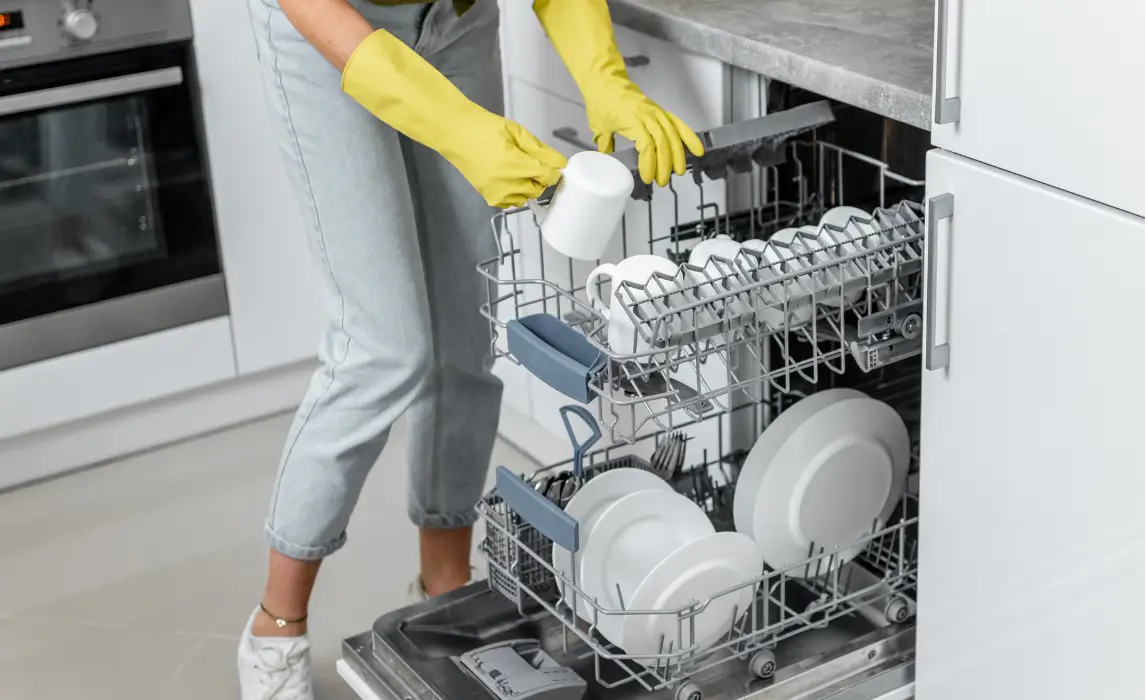
A portable dishwasher changes that equation. Used strategically, it becomes one of the most practical tools you can own for entertaining, running quietly in the background while your party is still going, tackling dishes in batches so cleanup is mostly done by the time you lock the door.
This guide covers everything you need to know as a frequent host: which type fits your party style, what features actually matter for entertaining (not just everyday use), and how to work one into your hosting routine so it genuinely makes your evenings easier.
The Three Types, and Which One Fits How You Entertain
Portable dishwashers come in three distinct configurations. The right one depends on how many people you typically host, where you entertain, and whether you have easy access to a kitchen faucet.
Countertop / Mini Portable
Countertop models sit on your kitchen counter and hook up to your faucet via a quick-connect adapter, no tools, no plumbing, no landlord permission needed. They typically hold 6 to 8 place settings per run, which covers a dinner party of four to six people comfortably.
What makes these particularly well-suited for entertaining is the turnaround speed. You can run appetizer plates while guests are mid-meal, then reload with dinner dishes during dessert. By the time everyone says their goodbyes, you might have only the last round of glasses left. Between gatherings, they store in a pantry shelf, a cabinet, or a closet, no permanent footprint.
The trade-off is capacity. Hosting eight or more people across multiple courses means two or three cycles. That's manageable if you load and run throughout the evening, but it requires some planning upfront.
Best for: Intimate gatherings of 4–6 guests, apartment and condo hosts, renters who want zero-installation setup.
Full-Size Freestanding Portable
These roll on wheels to your sink, connect via the same quick-connect adapter system, and handle 8 to 14 place settings per load, a significant leap when you're feeding a crowd. When not in use, they roll into a corner, a pantry alcove, or a laundry area. Many models feature a butcher block or stainless steel top that doubles as counter space while the machine is parked in the kitchen, which is genuinely useful when you're prepping for a party.
For hosts who regularly cook for 8 to 12 people, a full-size freestanding model can handle an entire evening's dishes in one or two runs. You load throughout the night, start the final cycle before bed, and wake up to a clean kitchen.
Practical note: these are heavier and bulkier than countertop models. Measure the path from your storage spot to the sink before buying, especially if you have a narrow kitchen.
Best for: Regular hosts of 8+ guests, families that entertain frequently, anyone who wants one-and-done cleanup after a large dinner.
Countertop with Built-In Water Tank
This is the type most people overlook, and for outdoor entertainers, it's a genuine game-changer. These models include a built-in reservoir (typically 5 liters / about 1.3 gallons) that you fill manually, so they don't need a faucet connection at all. Set one up on a patio table, a bar cart, or an outdoor serving station and it operates completely independently.
The capacity is smaller, usually 4 to 6 place settings, but the location flexibility is unmatched. If you host garden parties, backyard barbecues, or pool gatherings where the kitchen feels far from the action, this eliminates the back-and-forth entirely. Most models also support a standard faucet connection, so you can use them indoors in normal mode on other occasions.
Best for: Outdoor entertaining, pool and garden parties, hosts whose setup is away from the kitchen.
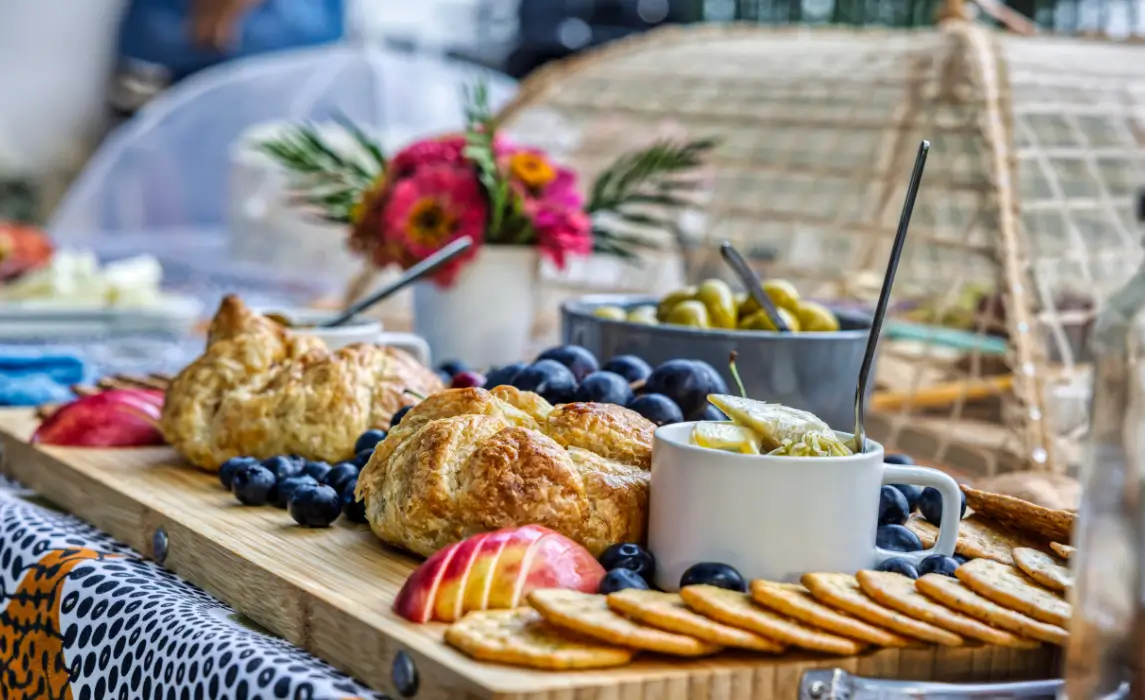
Read Related Article: The Ultimate Guide to Grazing Boards: How to Build One That Actually Impresses
Learn how to create a stunning grazing board with the perfect mix of cheeses, meats, fruits, dips, and crackers. This ultimate guide covers styling tips, portion planning, and presentation ideas that will impress guests at any gathering.
Read More
What to Look For When You're Buying for Entertaining
Most dishwasher buying guides focus on everyday dish-cleaning. When you host regularly, a few features matter much more than the standard review covers.
Noise Level
This determines whether you can run it during the party or only after. Dishwasher noise is measured in decibels (dB). Most portable and countertop models fall in the 50–52 dB range, roughly the level of a normal conversation. That's audible but not disruptive in most settings. If you have an open-concept kitchen, aim for 45 dB or lower. At that level, the machine blends into ambient party noise, music, clinking glasses, conversation. Models below 44 dB are considered very quiet; at 52 dB or above, the machine will be clearly noticeable in a quiet room.
Quick Wash Cycle
Standard cycles run 60 to 90 minutes. For party use, a quick-wash or rapid cycle (typically 20 to 30 minutes) is essential so you can turn the machine around between courses. Not all models include this, and some apply it only to lightly soiled items, read the specs before buying.
Drying Performance
Heated drying matters more for entertaining than for everyday use. If your machine only air-dries, dishes come out damp and need to be towel-dried before reuse, which defeats the purpose. Look for a heated dry mode so glasses and plates are ready to go back into service after a cycle, not just stacked wet.
Rack Flexibility
Party dishes are rarely uniform. You'll be loading wine glasses, wide serving bowls, an oversized platter, and stacked side plates in the same cycle. Fold-down tines, adjustable upper racks, and stemware holders determine whether a full party's load fits in one run. Always check the interior dimensions, not just the advertised place-setting count.
Delayed Start
A delayed start timer lets you load the machine, set a 2-to-4-hour delay, and go to bed. You wake up to clean dishes. It's also useful for water heater timing: running a cycle after your heater has recovered means hotter water and better cleaning performance.
Water Softener (for hard water areas)
If your area has hard water, look for a built-in water softener. Hard water leaves white spots and cloudy film on glasses, exactly what you don't want when serving guests. Some newer countertop models include this as a built-in feature. If yours doesn't, using rinse aid consistently will help significantly.
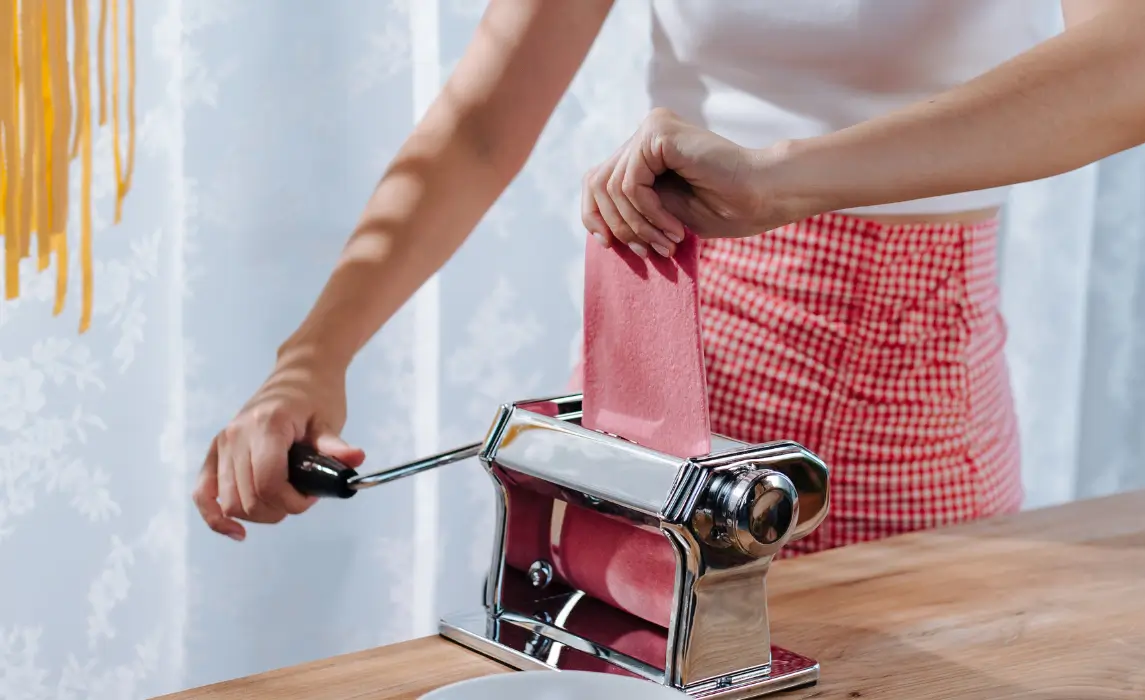
Read Related Article: The Entertainer's Guide to Best Pasta Maker Types, What to Buy and Why
Discover the best pasta maker types for home entertaining. Compare manual, electric, and specialty pasta machines, learn what to buy, and find the right option for creating fresh homemade pasta that impresses guests.
Read More
How to Use a Portable Dishwasher During a Party
The difference between a dishwasher that saves you hours and one that barely makes a dent is how you work it into your party rhythm. Here is what actually works.
Start before guests arrive
Load your prep dishes, cutting boards, mixing bowls, pots, right after you finish cooking. Run a cycle while you're getting ready or setting the table. You'll start the evening with a clean, empty machine ready to receive dishes throughout the night.
Batch by type, not by arrival order
The most efficient party system: glassware first (quick wash, back in use for dessert), plates and bowls second, cookware and serving pieces last. Mixing fragile glasses with heavy pots in the same load risks breakage and forces you to use a gentler cycle for the whole batch.
Scrape, don't pre-rinse
Modern dishwashers, even compact countertop ones, are designed to handle food residue. Pre-rinsing wastes time and water, and it actually removes the slight grease layer that detergent enzymes need to activate properly. Scrape solids into the trash and load directly. The only exception: chunky debris that could clog the filter (seeds, bones, large pasta) should come off first.
Match cycle to load type
Quick cycles run at lower temperatures, ideal for glassware, which can streak or cloud under high heat. Normal and intensive cycles are for plates, serving dishes, and anything with dried-on food. Save eco mode for overnight runs; it uses less water but takes too long for mid-party turnaround.
For outdoor setups: fill before each cycle
Tank-fill models hold about 5 liters per run. If you're operating at an outdoor station, fill the tank before each cycle rather than mid-party. Keep a filled jug nearby so refills are quick between runs. Some models support a garden hose adapter, check your manual.
Portable Dishwasher vs. Hand-Washing for Party Cleanup
The honest comparison most articles skip: hand-washing scales badly with party volume, and the water gap is more significant than most people realize.
| Factor |
Portable Dishwasher |
Hand-Washing |
| Time for 20+ Pieces |
30–60 min, fully unattended |
30–45 min of active scrubbing |
| Water per Session |
~3.5–4.2 gal (13–16 L) |
Up to 27 gal with tap running |
| Host Energy Spent |
Minimal, load and walk away |
High, you're stuck at the sink |
| Hygiene |
140–160°F sanitizing heat |
Variable; depends on technique |
| Noise |
45–52 dB (soft background hum) |
Clattering, splashing |
The water number is worth pausing on. Hand-washing with a running tap can use up to 27 gallons per session. A standard portable dishwasher uses roughly 3.5 to 4.2 gallons per cycle. For a two-cycle party cleanup, you're using under 9 gallons total, about a third of hand-washing. Over a full year of regular entertaining, that's a meaningful reduction in both water and utility costs.
The hygiene gap also matters for hosts. Dishwashers clean at 140 to 160 degrees Fahrenheit, hot enough to sanitize properly. Hand-washing with tap water rarely reaches temperatures needed for true sanitization, which is worth considering when multiple guests are sharing dishes.
Setup and Storage, Party-Ready Without Permanent Installation
Faucet adapters: what you need to know
Every portable and countertop dishwasher includes a faucet adapter, but not every faucet is the same. Most adapters fit standard aerator-threaded faucets, the common type in most kitchens. Pull-down faucets, decorator-style taps, and faucets without threads may require a universal adapter kit, available for a few dollars at any hardware store. Test the connection before your first party, not during it. The hookup itself is simple: screw the adapter onto the faucet, attach the inlet hose, run the drain hose into the sink, and you're ready. No tools, no plumber required.
Storage between gatherings
Countertop models fit in a standard kitchen cabinet, pantry shelf, or closet. Full-size freestanding models need more planning, a laundry closet, hallway alcove, or garage corner works well. Some hosts leave theirs parked against a kitchen wall year-round and use the butcher block top as permanent counter space. Regardless of model type, leave the door slightly ajar when storing long-term to prevent mold and odor buildup inside the tub.
Outdoor storage
Portable dishwashers are not designed to live outside. If you use a tank-fill model for backyard entertaining, bring it inside after each event. Humidity, temperature swings, and insects degrade the electronics and rubber seals over time. A covered patio is fine for same-day use, but don't leave it out overnight.
Frequently Asked Questions
Can a portable dishwasher realistically handle a full dinner party?
Yes, with batching. A countertop model handling 6 to 8 place settings can work through a 10-person dinner in two or three runs if you're loading and starting cycles throughout the evening rather than saving everything for the end. A full-size freestanding unit (8 to 14 place settings) can cover a large gathering in a single overnight run. The key is treating it as a running operation during the party, not a one-shot cleanup afterward.
How long does a typical cycle take?
Quick wash cycles run 20 to 30 minutes. Normal cycles are typically 60 to 90 minutes. Intensive cycles can run 90 minutes to 2 hours. Eco modes often run the longest, sometimes up to 3 hours, because they use lower temperatures and compensate with longer wash time. For party use, quick wash is your go-to for glassware; normal cycle handles plates and moderate soil.
Can I run it while guests are still at the table?
It depends on your model's noise level and how close your kitchen is to the dining area. A 45–48 dB machine in a kitchen separated from the dining space by even a partial wall will go largely unnoticed. A 52 dB model in an open-concept layout will be audible, not disruptive, but present. If noise is a concern, start cycles during the natural transitions between courses when conversation is louder, or while guests move to another area of the home.
The Bottom Line
If you entertain regularly and don't have a built-in dishwasher, a portable one is one of the most practical investments you can make in your hosting setup. Used well, it runs in the background while the party is still going, so by the time your last guest leaves, cleanup is mostly done.
For intimate dinners of four to six people, a countertop model with a quick-wash cycle is the right call. For larger gatherings, step up to a full-size freestanding unit. And if your entertaining happens primarily outdoors, a tank-fill model removes the faucet dependency entirely.
The one feature worth prioritizing above everything else: noise level. A quiet machine, 45 dB or lower, is one you'll actually run during the party. A louder one becomes something you wait to start, and then it's just a very expensive drying rack.
{
"@context": "https://schema.org",
"@type": "Article",
"mainEntityOfPage": {
"@type": "WebPage",
"@id": ""
},
"headline": "Best Portable Dishwashers for Entertaining: Top Appliances for Easy Party Cleanup",
"image": "",
"datePublished": "",
"dateModified": "",
"author": {
"@type": "Person",
"name": ""
},
"publisher": {
"@type": "Organization",
"name": "",
"logo": {
"@type": "ImageObject",
"url": ""
}
},
"description": "Keep the party going! Shop the best portable dishwashers for quick cleanup after any gathering. Effortlessly clean every dish without missing a moment."
}


.webp)
.webp)
.webp)