There's a dinner you serve and forget, and then there's the one your guests bring up months later, "Remember that lamb you made? What did you put in it?" Nine times out of ten, the answer isn't a complicated technique or an expensive cut of meat. It's a single unfamiliar spice doing quiet, confident work that salt and pepper simply can't.
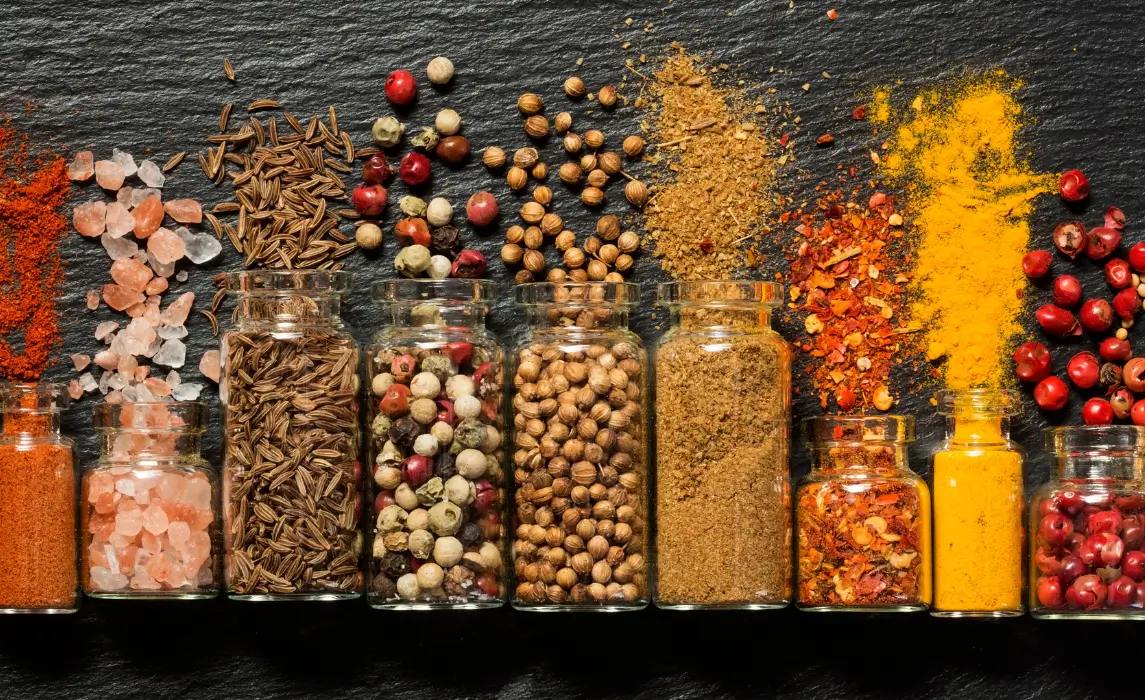
Rare spices have become one of the most underutilized tools in home entertaining. Not rare in the way truffles are rare, where the price alone makes them impractical, but rare in the sense that most people walk right past them at the market without knowing what they are or what they could do. Some are rooted in regional cooking traditions that haven't crossed over to mainstream Western kitchens yet. Others are difficult to grow, painstaking to harvest, or too perishable for mass retail. A few are just overlooked.
This guide covers 14 of them, what they taste like, how to cook with them, and how to use them the next time you're hosting. It also covers where to find them, how to store them, and what's genuinely worth the splurge.
What Makes a Spice "Rare"?
The word "rare" covers a lot of ground when it comes to spices. It doesn't always mean expensive or hard to find. More often, it means one or more of the following.
Some spices come from a very specific place and nowhere else. Many of the most interesting ones grow only in narrow geographic windows, the right altitude, the right rainfall, the right soil. Voatsiperifery pepper, for example, grows wild in Madagascar's rainforest canopy. You can't replicate those conditions on a plantation and expect the same result.
Others are rare because they're harvested entirely by hand. Saffron requires each stigma to be individually picked from the crocus flower, roughly 150,000 flowers per pound. Grains of Selim must be hand-foraged from West African trees. Labor like that limits volume and keeps prices high, which means mass-market grocery chains rarely bother stocking them.
Then there are spices that simply don't travel well. Fresh kaffir lime leaves lose most of their intensity within days of picking. Some spices oxidize quickly once ground, making them impractical to ship and sell at scale.
And finally, some spices haven't crossed over yet, not because they're difficult to work with, but because exposure has been limited. Sumac has been used in Middle Eastern cooking for centuries. Ajwain has been a staple in South Asian households for generations. Both remain almost entirely absent from mainstream Western grocery stores.
You can find most of the spices in this guide at South Asian or Middle Eastern grocery stores, specialty food shops, or online from retailers like Burlap & Barrel, Diaspora Co., Épices de Cru, and The Spice House.
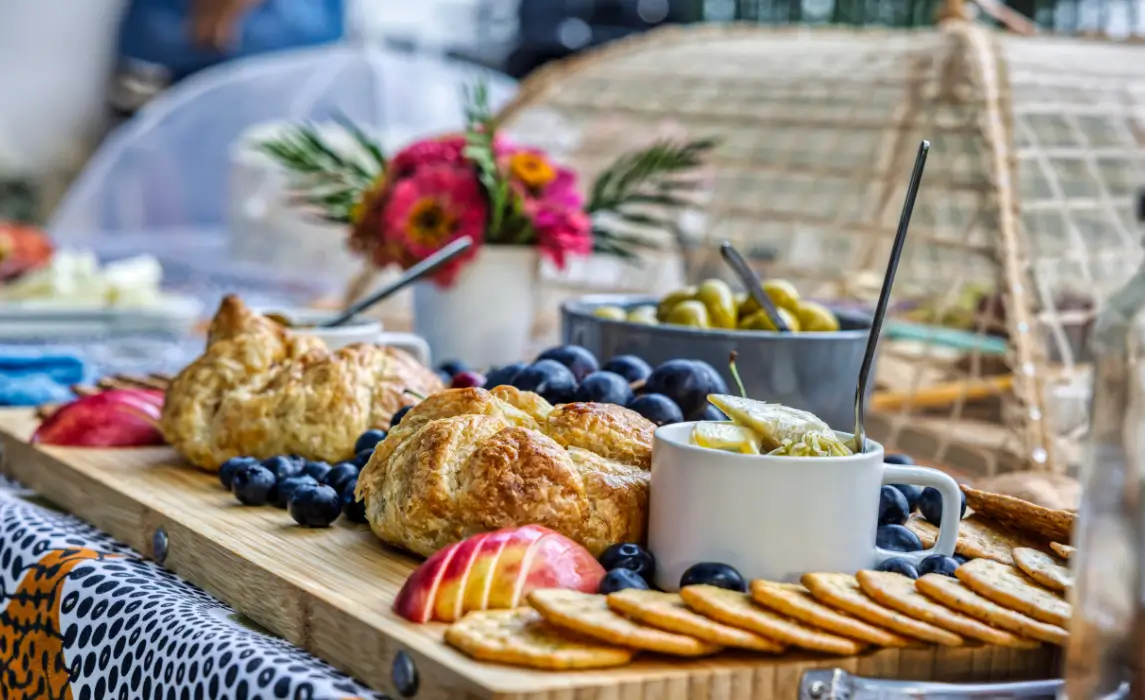
Read Related Article: The Ultimate Guide to Grazing Boards: How to Build One That Actually Impresses
Learn how to build a grazing board that actually wows your guests, from choosing the right cheeses and charcuterie to arranging it like a pro. Tips, combos, and serving ideas inside.
Read More
14 Rare Spices Worth Cooking With
1. Grains of Selim (West African Pepper)
Grains of Selim come from the pods of Xylopia aethiopica, a tree native to West and Central Africa. They're hand-foraged rather than farmed, which puts them in a different category from most commercial spices entirely.
The flavor is smoky, musky, and faintly eucalyptus-like, with a mild heat that lingers rather than bites. Think black pepper and nutmeg, but darker and more resinous. Before using them, toast the pods whole in a dry pan until fragrant, then crack or grind them. This step is essential, it unlocks the flavor that makes Grains of Selim worth seeking out.
In West African cooking, they're foundational to pepper soup and slow-cooked stews. For hosting, they translate beautifully into braised lamb or beef short ribs. Add cracked Grains of Selim to the braising liquid with other aromatics and the smoky depth it creates makes the dish taste like it took far more effort than it did. They also work well in dry rubs for grilled proteins and, perhaps surprisingly, dark chocolate desserts.
Find them at Burlap & Barrel or specialty African grocery stores. Expect to pay around $8–$12 for a small jar.
2. Long Pepper (Pippali)
Long pepper, sold in the form of elongated, textured spikes rather than round peppercorns, is native to India and Nepal and has been traded since antiquity. It was actually the dominant pepper in European cooking before black pepper took over in the 17th century, which explains why it pairs so naturally with dishes rooted in old-world cooking traditions.
The flavor is warm, sweet, and layered, black pepper's sharpness softened with notes of cinnamon, cardamom, and a faint sweetness. It's complex without being aggressive. Grate or grind it fresh directly over food, since it loses flavor quickly once broken down. It works well in slow braises, wine-based sauces, meat pies, and mulled drinks.
For a hosting application that takes almost no effort, muddle a small piece of long pepper into a winter cocktail, a spiced Old Fashioned, mulled wine, or warm bourbon cider. It adds a layered warmth that most guests won't be able to identify but will absolutely notice.
Available from Diaspora Co. and Indian grocery stores. Around $6–$10.
3. Sumac
Sumac is made from the dried, ground berries of Rhus coriaria, a shrub native to the Middle East and Mediterranean. It's been used in Lebanese, Turkish, and Syrian cooking for centuries and remains one of the most underused spices in Western kitchens despite being one of the most approachable on this list.
The flavor is tart, fruity, and bright, like lemon zest without the bitterness, or citrus that's been dried into something deeper. It brightens food the way acid does, but with more dimension and without the sourness fading when you cook it. That's the key distinction: because the tartness comes from the berry itself rather than citric acid, sumac holds up in ways lemon juice doesn't.
Sumac is almost always used as a finishing spice, sprinkled over food after cooking rather than added to a pot. It's exceptional over hummus, fattoush salad, grilled fish, roasted cauliflower, and fried eggs. For a hosting starter that looks effortless and tastes genuinely interesting, mix sumac into labneh with a drizzle of good olive oil and serve it with warm flatbread. The color alone is striking.
Find it at Middle Eastern grocery stores or from Épices de Cru. Around $5–$9.
4. Mahleb
Mahleb is one of the more unusual spices on this list, it's made from the dried, ground pits of St. Lucie cherries, a small wild cherry native to Turkey and the broader Middle East. The flavor is bittersweet and floral, with distinct notes of almond, cherry, and a faint rose-like quality. It's subtle, warm, and unlike anything else in a standard spice rack.
It's primarily a baking spice, used in quantities of about half a teaspoon per recipe, enough to notice, not enough to identify. It appears in Greek Easter bread (tsoureki), Middle Eastern filled cookies (ma'amoul), and various pastries across the region. It pairs naturally with honey, pistachios, and orange blossom.
For hosting, add half a teaspoon to a simple shortbread recipe or a honey cake. The result is a dessert that tastes familiar and surprising at the same time, guests almost never guess the ingredient, which makes it a reliable conversation piece.
Available at Middle Eastern or Greek grocery stores and specialty spice shops. Around $6–$12.
5. Urfa Biber
Urfa biber comes from a specific chili variety grown near the city of Urfa in southeastern Turkey. What makes it distinctive isn't just the pepper itself, it's the processing. The chilies go through a two-stage drying method, alternating between sun exposure during the day and being wrapped and sweated overnight. The result is a chili flake unlike anything else: deep burgundy in color, oily in texture, and complex in flavor.
The taste is dark and smoky with a slow, mellow heat. Most people describe it as having notes of tobacco, dried fruit, and dark chocolate. It's nothing like the sharp, bright heat of crushed red pepper. The oiliness means it clings to food and blooms on the palate rather than hitting you immediately.
Urfa biber is a finishing spice, it's always added after cooking, not before. Sprinkle it over eggs, pizza, labneh, roasted cauliflower, chocolate brownies, or a seared steak. For hosting, one of the most effective uses is a compound butter: blend urfa biber into softened butter with a pinch of salt and a small amount of garlic, then roll into a log and refrigerate. Set a slice on grilled steak or serve it alongside warm bread. It's the kind of small detail that makes a dinner feel like a restaurant meal.
Find it at The Spice House, Burlap & Barrel, or Turkish grocery stores. Around $7–$11.
6. Black Lime (Loomi)
Black lime, known as loomi in Arabic cooking, is made by boiling fresh limes in heavily salted water and then sun-drying them until they become hard, hollow, and nearly black inside. The process concentrates the flavor dramatically while transforming it, bright citrus becomes something tangy, earthy, and faintly fermented.
The flavor is like lime turned inside out. There's still acidity there, but it's deeper and more complex, with a slight funkiness that reads as depth rather than sourness in the finished dish. It's used whole in slow-cooked Persian and Gulf dishes, dropped into a pot of lamb, chicken, or rice, and it infuses the cooking liquid with a souring element that balances rich, fatty proteins beautifully. Pierce the lime with a knife before adding it to a pot so the flavor can escape. You remove it before serving.
Black lime is also available ground, and the powder form is excellent as a dry rub for fish or as a finishing spice over grilled vegetables. For hosting, add one or two whole black limes to a slow-braised chicken dish. The flavor it creates, tangy but mellow, bright but complex, is genuinely hard to achieve any other way.
Available at Middle Eastern grocery stores and online spice retailers. Around $5–$10.
7. Voatsiperifery (Wild Madagascan Pepper)
Voatsiperifery is wild-harvested from vines that grow high in Madagascar's rainforest canopy, climbers hand-pick the berries from vines that can reach 20 meters or more. The growing conditions cannot be replicated, which makes this one of the most genuinely rare peppers in the world and one of the most expensive.
The flavor justifies the price. It's floral, fruity, and delicately spicy, black pepper's structure, but with citrus and jasmine layered on top. The aroma alone is remarkable. Because the fragrance is so pronounced, voatsiperifery is best used where heat won't cook it out. Crack it over finished dishes, stir it into sauces at the last minute, or grind it over cheese boards and desserts.
For hosting, crack voatsiperifery over burrata or fresh ricotta with a drizzle of honey and good olive oil. The contrast between the floral pepper and rich dairy is extraordinary, and it requires almost no effort. It's also exceptional over fresh strawberries or ripe peaches.
Find it at Burlap & Barrel or Épices de Cru. Expect to pay $15–$25 for a small jar, but a little goes a long way.
Read Related Article: Best Glass Drink Dispensers for Beverages: Perfect for Summer Parties and Outdoor Events
Shop the best glass drink dispensers for summer parties and outdoor events, with picks for every budget, crowd size, and drink type, plus what to look for before you buy.
Read More
8. Ajwain (Carom Seeds)
Ajwain is a staple in Indian and Pakistani cooking that remains almost entirely unknown in Western kitchens. The seeds come from a plant related to caraway and cumin, but the flavor is sharper and more herbal, intensely thyme-like with a faint bitterness and a slight heat.
Raw ajwain is pungent and can be almost overwhelming. But this changes completely when it hits hot oil. Bloomed in ghee or neutral oil for 30–60 seconds, the flavor mellows and opens into something savory, aromatic, and genuinely addictive. This technique, called tempering, is the key to working with ajwain. It's used in Indian flatbreads (paratha), lentil dishes, and fried snacks, and it's particularly effective with starchy vegetables and anything deep-fried, where it cuts through heaviness.
For hosting, add half a teaspoon of ajwain to the oil before frying fritters, potato patties, or stuffed flatbreads. The flavor it adds is subtle enough to not be distracting, distinctive enough to make people wonder what you put in it.
Available at South Asian grocery stores and online. Around $3–$6, one of the most affordable on this list.
9. Cubeb Pepper
Cubeb comes from Piper cubeba, a climbing vine native to Indonesia that's closely related to black pepper. It was widely used in medieval European cooking and appears frequently in North African spice blends like ras el hanout. Today it's mostly forgotten in Western kitchens, which is a genuine loss.
The flavor starts familiar, like black pepper, and then shifts into something unexpected: a cool, camphor-like finish with notes of allspice and a faint eucalyptus quality. It's more complex than black pepper without being exotic in a way that might alienate guests.
Cubeb works well anywhere you'd use black pepper, but it performs particularly well in long-cooked dishes where the flavor has time to develop, Moroccan tagines, duck braises, pork roasts, and spiced wine. The cooling finish also makes it unusually effective in desserts, particularly spiced cookies or a dark chocolate tart. For hosting, substitute half the black pepper in a duck or lamb dish with ground cubeb. The change is noticeable in the best way.
Available from specialty spice retailers and some Middle Eastern stores. Around $8–$14.
10. Saffron
No list of rare spices is complete without saffron, and no other spice requires quite as much explanation to use correctly. Each thread is the dried stigma of Crocus sativus, and harvesting requires picking every stigma by hand during a brief flowering window. It takes roughly 150,000 flowers to produce a single pound of saffron. Iran grows approximately 90% of the world's supply, with smaller producers in Spain, Kashmir, and Afghanistan.
The flavor is floral, honeyed, and earthy, warm and golden and unlike anything else. But that flavor only releases properly with one technique: blooming. Before adding saffron to any dish, steep the threads in 2–3 tablespoons of warm (not boiling) water, stock, or milk for at least 10–20 minutes. This activates both the pigment and the flavor compounds. Skipping this step is the most common reason people feel like saffron "doesn't do much" in a dish, it does, it just needs that time.
Saffron is essential in paella, risotto Milanese, bouillabaisse, Persian rice dishes, and saffron-infused desserts like panna cotta. For hosting, bloom a pinch in white wine and add it to a pan sauce for chicken or fish. The color alone makes the dish look like restaurant food.
On buying saffron: quality varies dramatically, and cheap saffron is often adulterated, mixed with safflower, dyed corn silk, or turmeric. Look for deep red threads with orange tips and a distinctly floral smell, not a chemical or hay-like one. Iranian saffron is generally considered the benchmark. Expect to pay $10–$20 for a gram of quality saffron. A gram goes further than you'd expect.
11. Asafoetida (Hing)
Asafoetida is the dried resin from the roots of Ferula plants native to Iran and Afghanistan. It's been used in Indian cooking for centuries, particularly in vegetarian and Jain cuisines where it serves as the primary substitute for onion and garlic.
The raw smell is notorious, intensely sulfurous, pungent, and polarizing. This is where most people stop. But the smell is not the flavor. When a small amount of asafoetida hits hot oil or ghee, the sulfur compounds transform completely within seconds, producing a savory, mellow, onion-garlic aroma that adds genuine umami depth without the sharpness of either. The transformation is almost immediate and remarkable every time.
Use a very small amount, ⅛ to ¼ teaspoon, added to hot fat at the very beginning of cooking, before any other aromatics. It's particularly effective in lentil dishes, vegetable curries, and pickles. For hosting, add a pinch to clarified butter and drizzle it over a bowl of dal or lentil soup before serving. The depth it adds makes the dish taste like it simmered all day.
Store asafoetida sealed and away from other spices, the aroma is potent and can transfer. Available at South Asian grocery stores. Around $3–$8 for a tin that lasts a long time.
12. Epazote
Epazote is a pungent herb native to Mexico and Central America that's been used in indigenous cooking for thousands of years. It's available dried, though fresh is significantly more aromatic and worth seeking out if you live near a Latin American market.
The flavor is herbal and assertive, a distinctive mix of citrus, anise, and what some describe as a slightly medicinal or petroleum-like quality. That description sounds off-putting, but in context it works: epazote has an affinity for beans and corn that's almost inexplicable until you taste it. The two just belong together. Practically, epazote also has a digestive benefit, it genuinely reduces the gas produced during bean digestion, which is worth knowing if you're cooking a large batch for guests.
Add a few sprigs (fresh or dried) to black beans, refried beans, or bean soup while they cook and remove the stems before serving. The herb infuses slowly and transforms the flavor of the beans in a way that's hard to achieve otherwise. For hosting alongside Mexican-style grilled meats, a pot of black beans cooked with epazote, onion, and garlic will quietly steal attention from whatever's on the grill.
Find dried epazote at Latin American grocery stores. Around $4–$8.
13. Kaffir Lime Leaves (Makrut Lime Leaves)
Kaffir lime leaves come from Citrus hystrix, a thorny citrus tree native to Southeast Asia. They're a foundational ingredient in Thai, Indonesian, and Malaysian cooking, and one of the most aromatic leaves in any culinary tradition.
The flavor is intensely citrusy and floral, more concentrated than lime zest, with a clean brightness that's almost perfumed. Unlike most citrus, it doesn't turn bitter when cooked for extended periods, which makes it ideal for long-simmered curries and soups. Fresh leaves are significantly more aromatic than dried, if you can find fresh or frozen leaves at an Asian grocery store, they're worth the extra effort. Frozen leaves retain close to 90% of their fragrance and are nearly as good.
Whole leaves are added to curries, soups, and coconut-based dishes and removed before eating. Very finely shredded, they work as a finishing garnish in Thai salads and fish cakes. But perhaps the most impressive hosting application is using them in desserts: infuse four or five fresh leaves into warm coconut cream, strain, and use it as the base for a panna cotta or coconut rice pudding. The floral citrus note that comes through is subtle, elegant, and unlike anything guests will have encountered before.
Available at Asian grocery stores, typically fresh, frozen, or dried. Around $3–$6.
14. Dried Galangal
Galangal looks like ginger and is often described alongside it, but the two are not interchangeable. Where fresh ginger is warm and straightforward, galangal, particularly dried, is more complex and resinous: pinier, sharper, and with a citrusy, eucalyptus-like quality that ginger simply doesn't have.
Dried galangal slices are added to soups and braises for infusion and removed before eating, functioning more like bay leaves than like a spice you'd grind into a dish. Fresh or frozen galangal, when available, can be blended into curry pastes and spice bases. It's foundational in Thai tom kha gai (coconut galangal soup), Indonesian rendang, and various Southeast Asian spice pastes, dishes that depend on galangal's unique flavor in a way that can't be replicated by substituting ginger.
For hosting, adding two or three slices of dried galangal to chicken broth alongside lemongrass and kaffir lime leaves creates an aromatic broth that's deeply fragrant and surprisingly sophisticated as a starter. Strain before serving and adjust with lime juice and fish sauce. It takes about 20 minutes and costs almost nothing.
Available at Asian grocery stores, fresh, frozen, or dried. Around $4–$8.
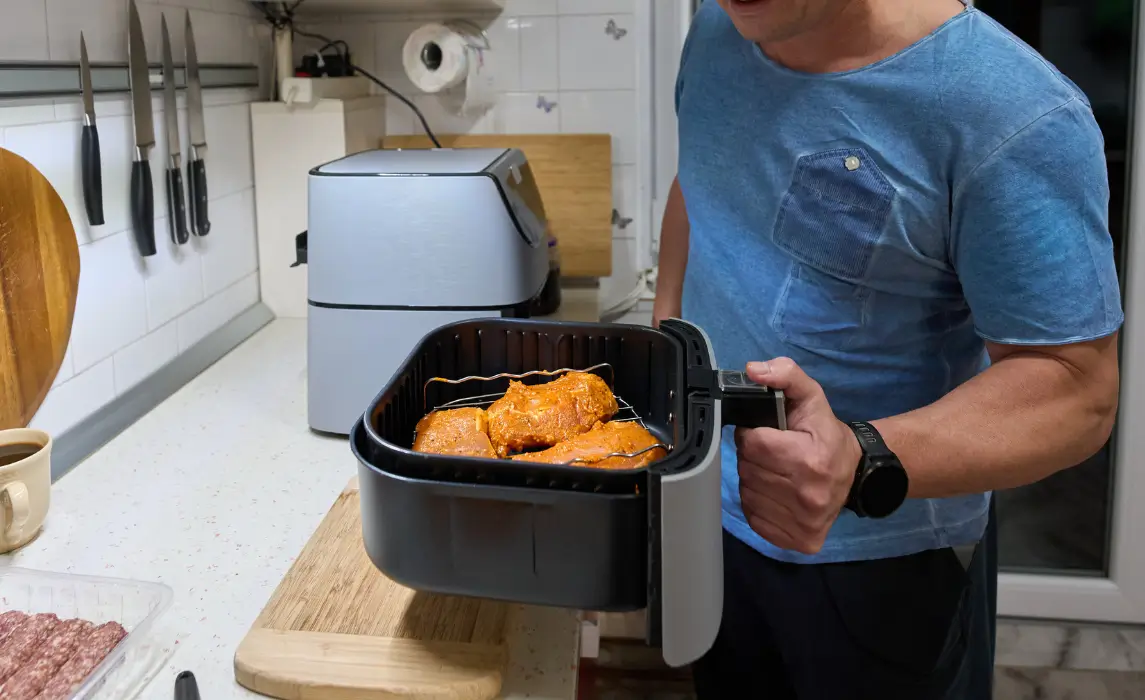
Read Related Article: Best Air Fryer Recipes for Hosting & Entertainment
The best air fryer recipes for hosting, crispy appetizers, shareable sides, and crowd-pleasing bites that come together fast so you can actually enjoy the party too.
Read More
How to Use Rare Spices When Hosting
The most common mistake with unfamiliar spices is overcomplicating their introduction. The better approach is to use them as a single-spice swap in a dish you already know well. Substitute urfa biber for crushed red pepper. Use sumac where you'd normally reach for lemon. Add a pinch of saffron to a pan sauce you've made a hundred times. When the only variable is the spice, you learn quickly what it actually does, and guests notice the result without the risk of something falling apart.
If you want to make rare spices a bigger part of the hosting experience, a spice bar is worth trying. Set out four or five small dishes of interesting spices, sumac, urfa biber, voatsiperifery, saffron, and grains of selim, for example, with small spoons and a card for each one naming its origin and flavor profile. Let guests season their own food at the table. It's interactive, conversational, and genuinely interesting in a way that most dinner party additions aren't.
The story behind a spice is often as interesting as the spice itself. A small detail, "this pepper is hand-harvested from rainforest vines in Madagascar" or "saffron takes 150,000 flowers to make a single pound", gives guests something to hold onto and talk about. You don't need to turn dinner into a lecture; one good line per spice is enough.
For drink pairings, rare spices open up real possibilities. Long pepper works beautifully in warm cocktails and mulled wine. Sumac can be stirred into a simple syrup for a tart, fruity element in gin drinks. Saffron-infused honey works in everything from cocktails to mocktails. Kaffir lime leaves can be muddled into a Thai-inspired mojito. These aren't complicated techniques, steeping a few threads or leaves for 15 minutes does the work.
Finally, make-ahead spice blends are one of the most thoughtful things you can send guests home with. A small jar of an urfa biber compound butter, a custom ras el hanout blend using cubeb and grains of selim, or a saffron-infused salt takes very little time to prepare but leaves a lasting impression. Label each one with a simple use suggestion so guests know what to do with it.
Cooking Tips for Rare Spices
Understanding how and when to apply heat is the most important factor in working with unfamiliar spices.
Blooming
Blooming means adding ground spices to hot fat, oil or butter, for 30 to 90 seconds before adding any liquid or other ingredients. This technique unlocks fat-soluble flavor compounds that don't dissolve in water and releases aromatic oils that would otherwise stay locked in the spice. It's essential for ajwain, asafoetida, and cumin-forward blends.
Dry toasting
Dry toasting in a pan over medium heat works best for whole spices, grains of selim, cubeb pepper, and similar, that benefit from a brief period of heat before being cracked or ground. Thirty to sixty seconds over medium heat, stirring constantly, is usually enough. The moment you smell the spice opening up, remove the pan from the heat.
Raw or finishing
Raw or Finishing use is appropriate for spices where fragrance is the point and heat would destroy it. Sumac, voatsiperifery, and urfa biber all fall into this category, they go on after the dish is plated, not into the pot.
For timing in general: fat-soluble spice compounds develop with heat and fat early in cooking, while delicate aromatic compounds should be preserved by adding them late. This is why a curry paste added at the beginning of cooking tastes different from the same paste stirred in at the end, both approaches are valid, but they produce different results.
On quantities: start with half of what you think you need. Rare spices are often more potent than their familiar counterparts, and most are easier to add more of than to correct once overdone. For asafoetida specifically, ⅛ teaspoon is a starting point, not a floor.
For storage, whole spices last significantly longer than pre-ground ones, often two to three years versus six to twelve months. Keep all spices in airtight containers away from heat and light. This matters more than most people realize: a spice that's been sitting open near a stove for two years isn't contributing much to your cooking. Asafoetida deserves a sealed container within a sealed container given how intensely it can transfer aroma.
Where to Buy Rare Spices
Most of the spices in this guide aren't in standard grocery stores, but they're not difficult to find once you know where to look.
For online purchasing, Burlap & Barrel sources directly from small farmers and provides detailed origin and harvest information on every product, they're a reliable choice for voatsiperifery, grains of selim, and urfa biber. Diaspora Co. focuses on single-origin South Asian spices and is one of the best sources for long pepper and saffron. Épices de Cru specializes in rare and artisanal spices and is worth browsing for anything on this list. The Spice House has strong coverage of Turkish and Middle Eastern spices including sumac and urfa biber.
Locally, South Asian grocery stores are the best first stop for ajwain, asafoetida, dried galangal, and kaffir lime leaves. Middle Eastern grocery stores cover sumac, black lime, mahleb, and saffron. Latin American markets are the place to look for epazote.
When buying, look for a harvest or packaging date on the label, freshness matters, and reputable sellers include it. For whole spices, this is less critical than for pre-ground ones, but it's always a good sign. For saffron specifically, origin matters: look for Iranian, Spanish, or Kashmiri saffron clearly labeled, and avoid anything that doesn't disclose where it's from.
Price is worth thinking about differently with rare spices. Because most are used in small quantities, a $20 jar that costs five times a standard spice often lasts five times as long. The per-use cost is frequently comparable or lower than it appears. The exceptions are saffron and voatsiperifery, which are genuinely expensive on any measure, but both deliver results that are difficult to achieve any other way.
Frequently Asked Questions
1. What is the rarest spice in the world?
Saffron is almost universally cited as the rarest and most expensive spice by weight, due to the extraordinary labor required to harvest it, each stigma must be hand-picked from individual crocus flowers during a short annual blooming window. By some estimates, a single pound of saffron requires hand-picking from over 150,000 flowers. Long pepper and voatsiperifery are also considered genuinely rare due to limited growing regions and difficult harvesting conditions.
2. What spices do professional chefs use that home cooks don't?
Urfa biber, sumac, black lime, and grains of selim appear frequently in professional kitchens, particularly in restaurants with Middle Eastern, West African, or modern tasting menu formats. Asafoetida is a standard ingredient in many restaurant kitchens in South Asia and among chefs focused on vegetarian cooking. The common thread is that chefs use these spices for specific textural or flavor functions, sumac for tartness without added liquid, urfa biber for heat with complexity, asafoetida for depth, rather than as exotic additions.
3. Are rare spices worth the price?
For most of the spices on this list, yes, particularly when you factor in how little is needed per dish and how long a jar lasts. A $10 jar of urfa biber used a pinch at a time will last months. The higher-cost entries, saffron and voatsiperifery, require more consideration, but both produce results that are genuinely difficult to replicate with anything else. If you're cooking for people whose food memory you want to occupy, they're worth it.
{ "@context": "https://schema.org", "@type": "Article", "mainEntityOfPage": { "@type": "WebPage", "@id": "" }, "headline": "Rare Spices Every Home Cook and Host Should Know About", "image": [], "datePublished": "", "dateModified": "", "author": { "@type": "Person", "name": "" }, "publisher": { "@type": "Organization", "name": "", "logo": { "@type": "ImageObject", "url": "" } }, "description": "Unlock the secrets of rare spices from around the world. Discover what every cook needs to know to elevate dishes with unique flavors and aromas." }



.webp)
.webp)
.webp)