Read Related Article: Different Drink Glasses: Types of Glassware for Each Drink
Discover different drink glasses and their uses, from wine and whiskey glasses to cocktail and beer glassware. Learn which type suits every drink.
Read More


Use high heat, cook ingredients in batches to avoid overcrowding, and keep ingredients moving in the pan for even cooking.
Cook sliced onions slowly over low heat with a bit of oil or butter, stirring occasionally, until deeply browned and sweet.
Use a meat thermometer to check internal temperatures: 145°F for pork, 160°F for ground meats, and 165°F for poultry.
You've planned the menu, picked the playlist, and set the table. Then someone asks for coffee and the only mug in the cabinet is a chipped one with a faded logo from a 2016 conference. It's a small thing, but it's the kind of small thing guests notice without quite knowing why.
The cup you hand someone shapes how they experience what's in it, temperature retention, aroma, even how a drink looks in someone's hand for the inevitable phone photo. You don't need a hundred kinds of glassware to host well. You need the right handful, used with a little intention.
This guide covers the cups that actually get used at real gatherings, hot drinks, casual outdoor setups, and the practical side of building a collection that doesn't take over your cabinets or your budget.
Hot drinks are where cup choice matters most, because temperature and material directly affect taste, and this is the category most people under-think.
The workhorse. Look for one that holds 10–12 oz (a "coffee cup" technically tops out around 6 oz, but almost nobody uses those anymore) and has a wide enough opening that steam escapes rather than pools. Ceramic holds heat better than glass; stoneware holds it longer still. If you're hosting a morning gathering, brunch, a coffee-and-catch-up, mismatched-but-coordinated mugs (same color family, different shapes) read as curated rather than sloppy, and they let guests "claim" one without confusion.
Small for a reason: a true espresso shot is 1–1.5 oz, and a 6 oz mug lets it go cold before you finish it. Thick porcelain walls matter more here than anywhere else in your cabinet, they keep the small volume of liquid hot for the few minutes it takes to drink. If you're serving espresso after dinner, buy demitasse cups specifically; don't substitute a small regular mug, since the crema (that reddish-brown foam on top) dissipates faster in the wrong shape.
This one's a footed, heatproof glass mug, and the "heatproof" part isn't optional. Regular glass will crack from the temperature shift of hot coffee plus alcohol plus cream. The clear glass is the actual point: it shows the layered look of coffee, whiskey, and cream float, which is most of the appeal of serving it in the first place. If you make Irish coffee more than once a year, this is worth owning rather than improvising with a regular mug.
Thinner-walled than a coffee mug by design, bone china in particular cools tea slightly faster, which actually suits delicate teas (green, white) that turn bitter if left too hot for too long. The saucer isn't just decorative: it's where you rest a wet spoon, and it catches drips so guests aren't holding a saucer-less cup over your furniture. If you host afternoon tea or a bridal/baby shower, a mismatched vintage teacup set (thrifted, one per guest) is a low-cost way to make the table feel special without buying a matching 12-piece set.
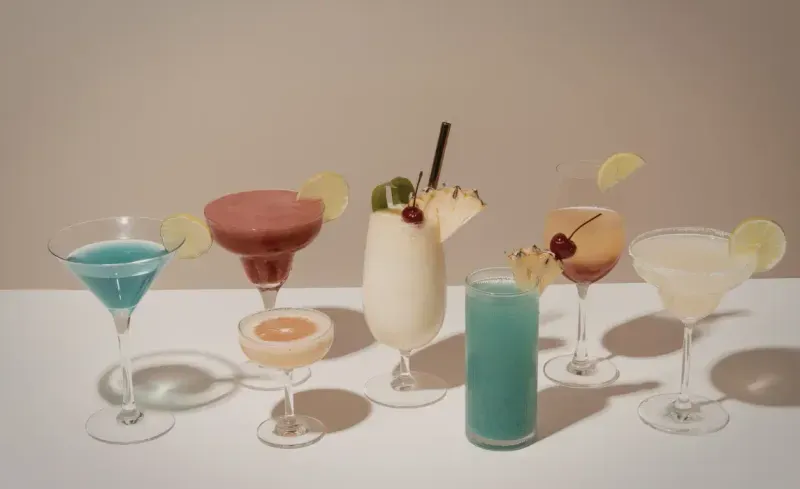
Discover different drink glasses and their uses, from wine and whiskey glasses to cocktail and beer glassware. Learn which type suits every drink.
Read MoreThis is the category most hosting guides skip past, but it's where you'll actually spend the most money over a year of backyard dinners, pool days, and casual get-togethers, so it's worth doing right.
The reason these took over casual entertaining isn't just aesthetics, the wide mouth makes them genuinely easy to clean, they stack for storage, and they double as cocktail shakers, leftover storage, or vases the next day. A 16 oz wide-mouth jar is the most versatile size: big enough for a proper iced drink, not so big it looks absurd for a 4 oz pour. Skip the ones with handles for drinking, they're marketed for aesthetics but the handle placement usually makes for an awkward grip.
The upgrade from red Solo cups that still keeps the "no breakage" benefit. Acrylic specifically resists the cloudy scratching you get with cheap plastic after a few dishwasher cycles, so it stays looking presentable longer. These are the right call for kids' tables, poolside, or anywhere glass is a real hazard, and they're worth investing a bit more in per-unit since they'll get reused for years rather than tossed after one party.
A specific solve for a specific problem: guests want to hold wine properly at an outdoor event, but stemware and grass/gravel/pool decks don't mix. These let people set a cup down without it tipping, and they don't clink or shatter. Buy the shatter-resistant Tritan-style ones rather than thin single-use plastic if you host outdoors more than a couple times a season, they wash and reuse well.
The category built for heat: double-wall insulated tumblers (the kind with a locking lid and straw) keep cold drinks cold for hours in direct sun, which matters more than people expect at a BBQ or pool party where drinks sit out for a while. Label these by guest (a lot of hosts use a paint pen or a set of numbered rings) since they all look identical once the party gets going and nobody wants to guess whose lemonade they're drinking.
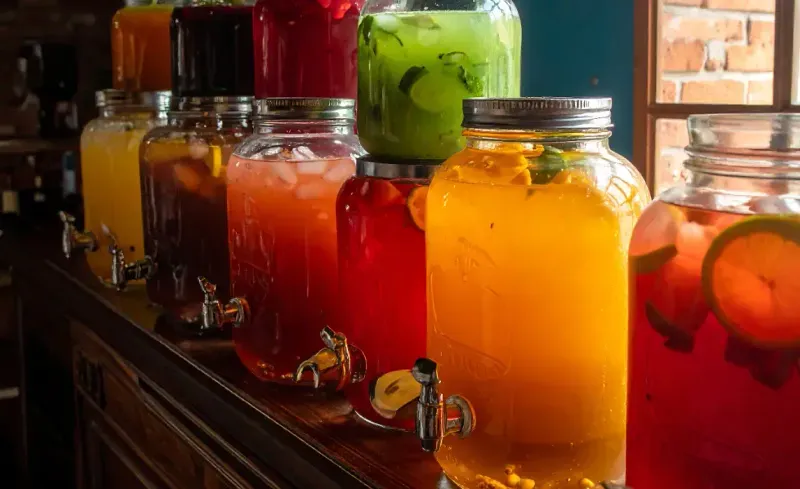
Find the best glass drink dispensers for parties, gatherings, and everyday use. Compare stylish, durable options perfect for serving your favorite beverages.
Read MoreMost people either own two mismatched mugs or forty pieces of glassware they never touch. Here's a more useful way to think about it.
Cover the basics with double-duty pieces: a set of stemless wine glasses (works for wine and doubles as a water glass), a set of rocks glasses, 6–8 coffee mugs, and a dozen mason jars for everything else. That's four categories, not fifteen, and it handles the vast majority of home gatherings.
Add dedicated cocktail glassware only for the drinks you actually make often, there's no reason to own a margarita glass if you've never made a margarita. Add a proper Irish coffee glass and demitasse set once hot drinks become a regular part of your hosting. Buy in sets of 6 or 8, not 4, since breakage happens and mismatched replacement pieces are the fastest way a "matching set" stops looking like one.
Buy inexpensive for anything high-breakage or outdoor (stemless plastic, mason jars, insulated tumblers), these get used hard and replaced often anyway. Spend more on pieces where material quality changes the experience: espresso cups (wall thickness affects heat retention), wine glasses (rim thinness affects how wine tastes), and any glass you'll hand-wash and keep for years.
Store frequently-used glassware at counter height and reserve high or hard-to-reach cabinets for occasion pieces (champagne flutes, a full punch bowl set) you pull out a few times a year. Stemware storage racks that hang glasses upside down protect rims from chipping far better than standing them upright on a shelf, and they free up shelf space besides.
-p-800.webp)
The Real Guide to Refreshing Summer Drink Ideas for Parties, Gatherings, and Entertaining
Read MoreYes, more than most people realize. Thin glass cracks under sudden heat, and thin ceramic loses heat too fast for coffee or tea to stay warm past a few sips. Match the wall thickness and material to the temperature of what's inside.
A wide-mouth 16 oz mason jar. It handles cold drinks, doubles as a cocktail shaker, and works for both casual and slightly-dressed-up gatherings.
For a household that hosts a few times a year, 8 of each core type (mugs, stemless wine glasses, mason jars) covers most gatherings without excess. Scale up to 12 if you regularly host groups larger than 8.
If you host outdoors in warm weather, yes, the double-wall insulation keeps drinks cold for hours instead of watering down as ice melts fast in direct sun.
.webp)
.webp)
.webp)