Read Related Article: Rare Spices Every Home Cook and Host Should Know About
Discover rare spices every home cook and host should know, from aromatic blends to unique seasonings that add bold flavor and elevate everyday meals.
Read More


Use high heat, cook ingredients in batches to avoid overcrowding, and keep ingredients moving in the pan for even cooking.
Cook sliced onions slowly over low heat with a bit of oil or butter, stirring occasionally, until deeply browned and sweet.
Use a meat thermometer to check internal temperatures: 145°F for pork, 160°F for ground meats, and 165°F for poultry.
Most Super Bowl checklists are just grocery lists with a kickoff time slapped on top. That's not what makes a party work. What makes a party work is knowing what has to happen by when, so you're not defrosting wings during the national anthem or realizing at halftime that you're out of ice.
This is built as a timeline, not a list, because the biggest party-day failure isn't forgetting an item, it's doing the right things in the wrong order. Below is what to handle by week, by day, and by hour, plus the specific mistakes that trip up most first-time hosts.
Everything at this stage is about avoiding a scramble later, not about the food itself.
Send the invite with an RSVP deadline of at least 3 days before game day, not "let me know." Food and drink math only works if you have a real number, and "maybe 15, maybe 25" forces you to either overbuy significantly or run short mid-game with no time to fix it.
If you're frying anything, one pot handles about 6–8 wings at a time without dropping oil temperature too far. For a group over 15, you either need a second pot or a plan to stagger frying starting an hour before kickoff, not during it. If you're using a slow cooker for dips or chili, confirm it actually fits your headcount, a 4-quart slow cooker feeding 20 people means empty crockery by the second quarter.
Everyone else hosting a Super Bowl party is also trying to borrow the same folding chairs from the same friend group in the same week. Ask early or you'll be buying last-minute.
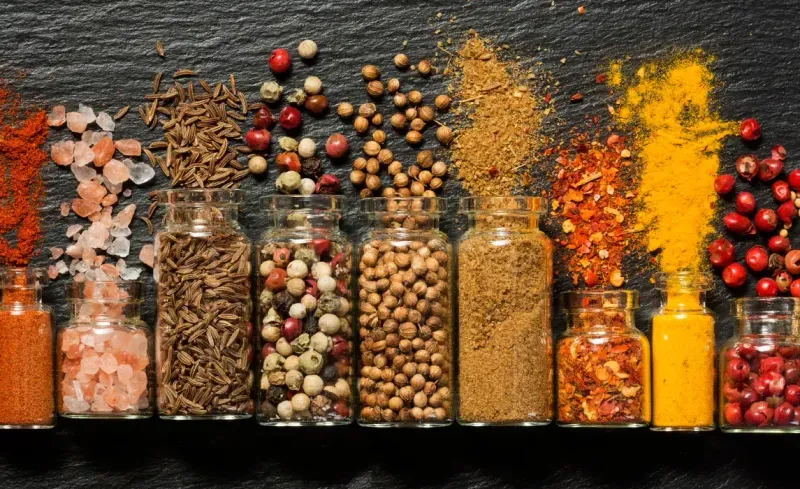
Discover rare spices every home cook and host should know, from aromatic blends to unique seasonings that add bold flavor and elevate everyday meals.
Read MoreMost grocery lists assume steady eating for four hours. That's not how Super Bowl parties work. People eat heaviest during pregame and at kickoff, taper off during the first half, spike again at halftime, and barely touch food during the fourth quarter when the game gets close. Shop for that curve, not a flat average.
That's higher than a typical party estimate because Super Bowl parties run 4+ hours and people graze the whole time, not just at one meal window. Put out 60% of your spread before kickoff and hold the rest back for halftime restocking, this keeps the table from looking picked-over by the second quarter and gives you a natural excuse to refresh things.
Coolers lose ice faster than people expect once they're opened repeatedly for four hours. A 48-quart cooler needs close to a full bag of ice just to stay cold through the game, not the half-bag most people grab.
Thin paper plates buckle under wing sauce and chili. Spend the extra dollar on the heavier-weight compostable or coated paper plates, they're the difference between guests balancing food on their laps and guests actually using the plate.
This is the step most checklists skip entirely, and it's the one that determines whether your game day is relaxed or frantic.
Make ahead: chili, queso base (reheat and thin with milk day-of), baked beans, any dip that isn't cream-and-herb based, and desserts. These all improve or hold steady overnight in the fridge.
Do not make ahead: anything fried, anything meant to be served hot and crispy (wings, sliders, mozzarella sticks), and guacamole. Frying ahead and reheating ruins the texture that makes fried food worth eating in the first place, and guacamole oxidizes and browns within hours regardless of lime juice or plastic wrap tricks.
Prep but don't cook: wing marinades, vegetable trays (store cut veggies in water to keep them crisp), and any sauce that needs to sit and develop flavor. Getting the prep work done the day before means game day is assembly and cooking only, not chopping and cooking both.
Set a firm two-hour window before kickoff for setup, not "sometime before people arrive." This is enough time to handle temperature-sensitive tasks without rushing, and tight enough that you're not standing around a fully set table for three hours before anyone shows up.
Start anything low-and-slow (chili reheating, slow cooker dips going on low), set up the drink station and ice the coolers, and do a TV/streaming test run specifically checking your provider's pregame coverage loads correctly, not just that the TV turns on. Streaming services under Super Bowl-day traffic buffer more than usual; test it while you still have time to switch to a backup or borrow an antenna.
Start frying or oven-cooking anything meant to be hot and fresh. Put out the room-temperature items (chips, dips, veggie trays) now so the table doesn't look empty while hot food finishes.
Final check on drink stock, put hot food out as it finishes, and do a seating gut-check, make sure there's a clear sightline to the TV from wherever people are likely to cluster, not just from the couch.
Halftime is your only real window to refresh the table without missing plays, and it's shorter than people plan for, usually 12–15 minutes including the show itself. Have your restock items already plated or portioned in the fridge/oven beforehand so halftime is transfer-to-table, not start-from-scratch cooking. This is also the moment to swap out anything that's gone stale or dried out under heat lamps or slow cooker settings for four hours straight.
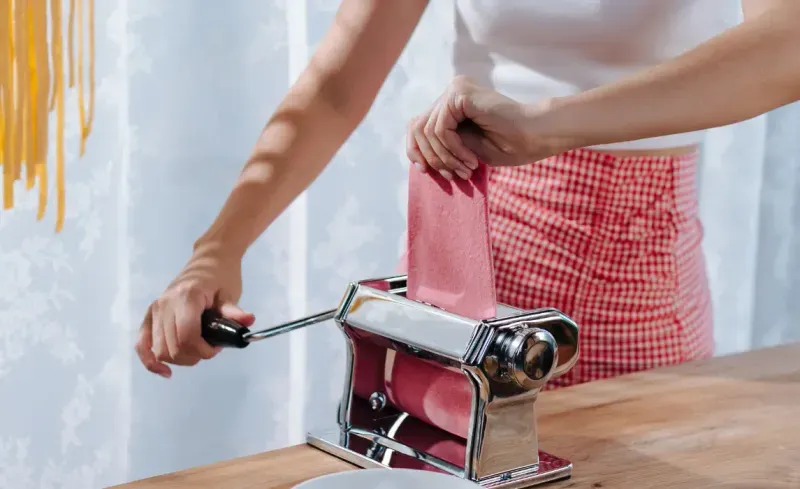
Discover the best pasta maker types for every home cook and entertainer. Learn what to buy, key features to compare, and how to choose the right machine for fresh homemade pasta.
Read MoreSet out a dedicated trash and recycling station near the food table, not just the kitchen, most of the mess happens where people are eating, not where you're cooking. A large bin lined and clearly visible cuts down on plates left on side tables and floors significantly more than one bin in the kitchen that people forget exists.
Plan around 1.5 lbs of food per person for the full game, higher than a typical party estimate because Super Bowl parties run four-plus hours with continuous grazing rather than one concentrated meal. Weight about 60% of that toward the pregame and first-half spread, and hold the rest back to refresh the table at halftime.
Chili, baked beans, queso base, and most desserts hold or even improve overnight in the fridge. Avoid making fried foods or guacamole ahead: frying loses its texture on reheat, and guacamole oxidizes and browns within a few hours no matter how it's stored.
Buy ice at roughly a 1:1 ratio with your cooler's quart capacity, then add about 20% extra. A 48-quart cooler opened repeatedly over a four-hour game needs close to a full bag just to stay cold through the final whistle.
Start slow-cooking and reheating items two hours before kickoff, begin frying or oven-hot items one hour before, and do a final drink and food check 30 minutes out. This spacing keeps hot food finishing right as guests arrive instead of sitting out too long or finishing too late.
Hold back roughly 40% of your prepared food rather than putting everything out before kickoff. Pre-portion or pre-plate the reserve in the fridge so halftime becomes a quick table refresh instead of a from-scratch cooking scramble during the only break in the game.
Yes, specifically on game day, not the week before. Streaming providers see heavier traffic during Super Bowl pregame coverage and buffer more than usual, so testing the actual provider and stream a few hours ahead gives you time to switch to cable, antenna, or a backup device if something's off.

.webp)
.webp)